
Mnemba Wall
Beginner-friendlyDepth5–25 m
A protected reef wall inside the Mnemba Atoll marine reserve, known for excellent visibility, healthy coral, and regular dolphin sightings.
- coral wall
- dolphins
- reef fish
- excellent visibility
Tanzania
An Indian Ocean island combining protected reef diving with Stone Town's history and spice-island culture.
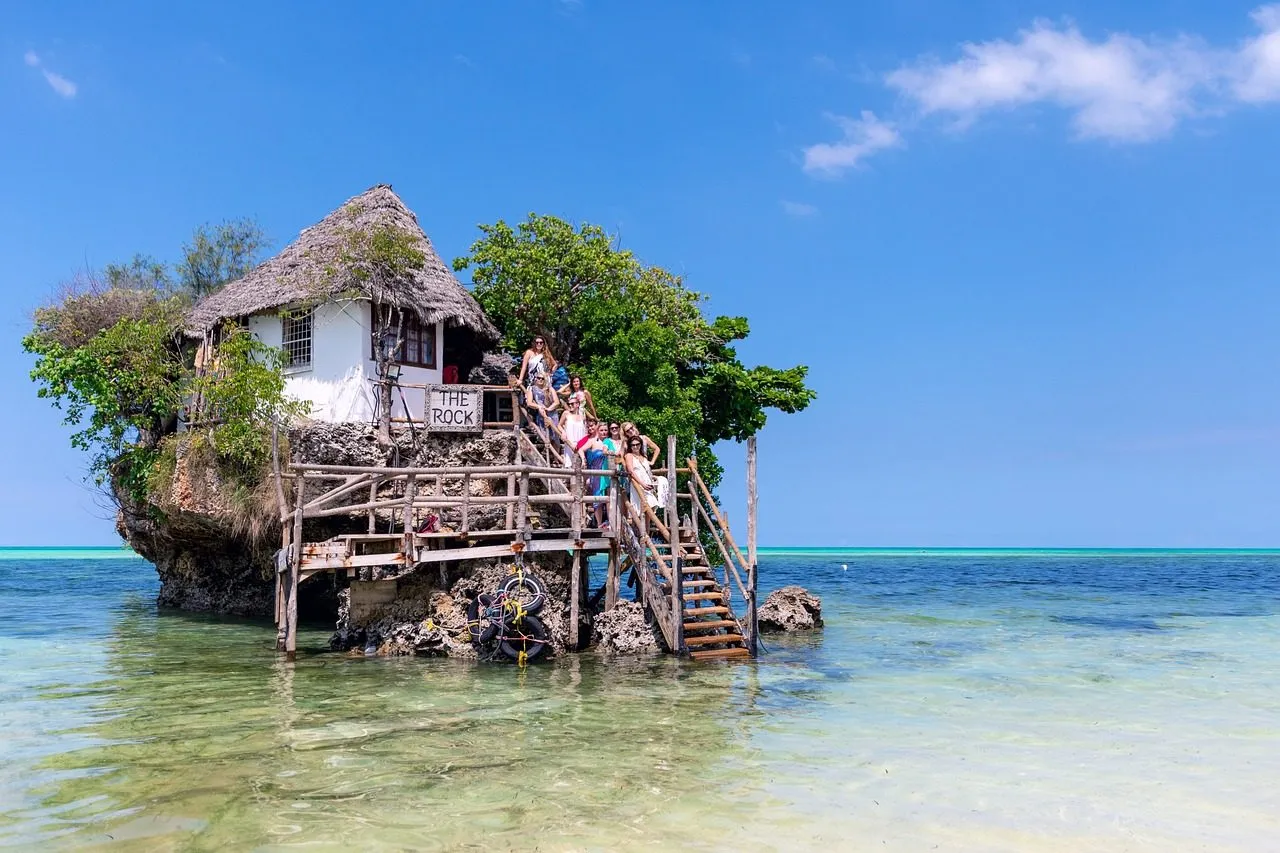
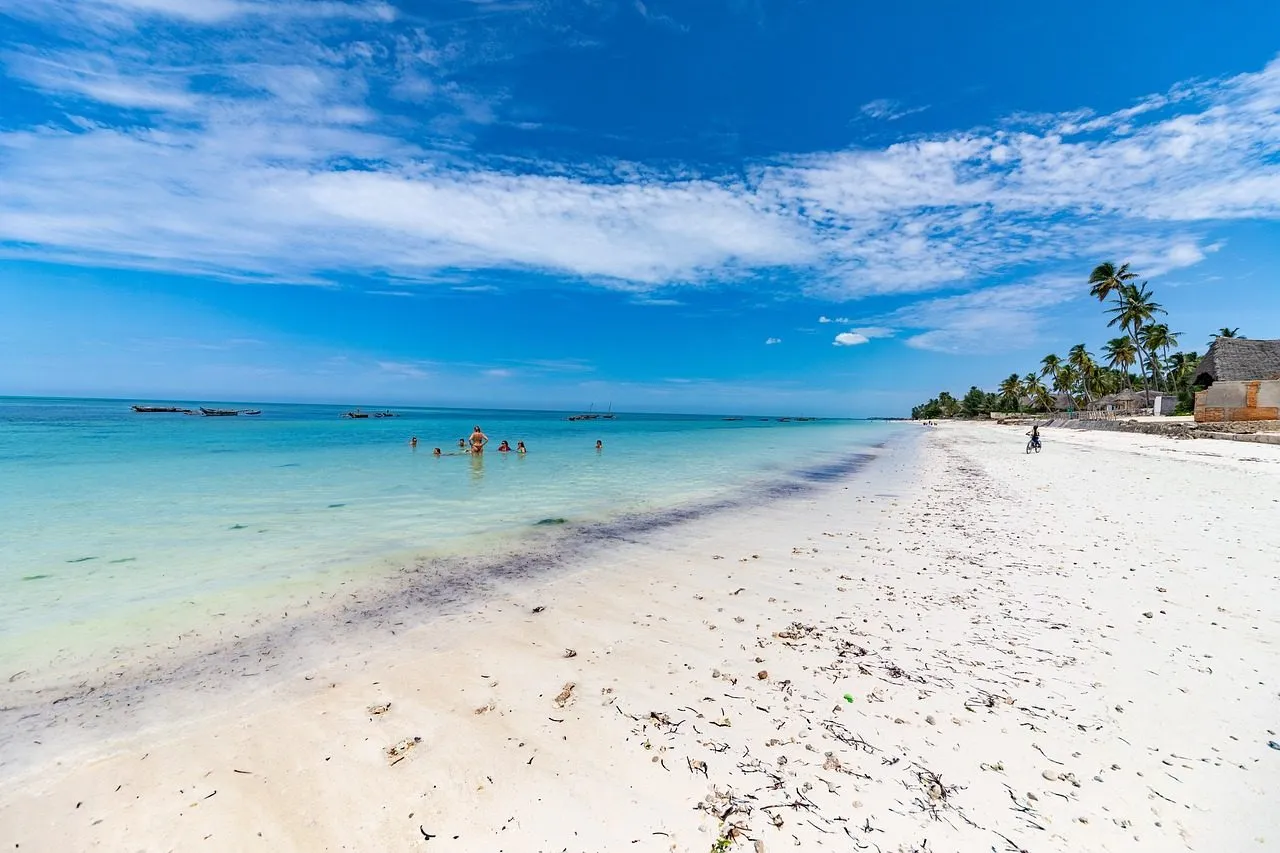
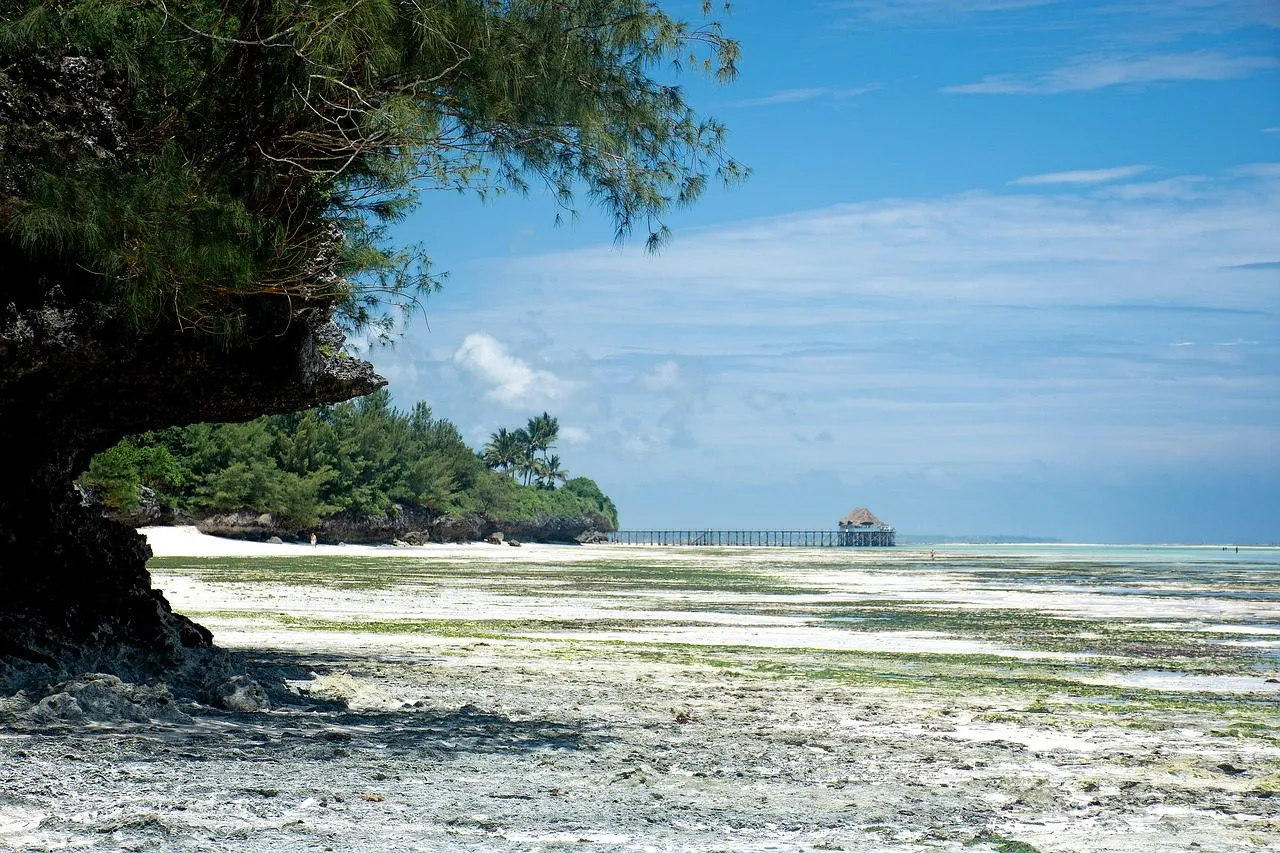
Zanzibar splits between a handful of beach bases -- Nungwi and Kendwa in the north, Jambiani and Paje in the southeast, Kizimkazi further south -- each with its own dive shops and a short boat ride to Mnemba or the local reef. Unlike a pure dive-town destination, Zanzibar carries real non-diving pull: Stone Town's UNESCO old city, spice farms, and a broader East African safari-combination appeal that few other dive destinations on this list share.
Zanzibar's diving centres on Mnemba Atoll, a protected marine reserve off the northeast coast with some of the best visibility in the archipelago and a strong reputation for dolphin encounters. The wider coastline offers easier, current-light reef diving from Nungwi in the north to Jambiani and Kizimkazi in the south, making it a good fit for both new divers and those chasing a specific big-animal season.
Also good: Jul, Aug, Sep, Oct, Nov, Dec, Jan, Feb, Mar.
Diveable year-round, but Jul-Oct and Nov-Mar are the two best windows for calm seas and good visibility. Apr-May (the long rains) is the weakest stretch, with rougher seas and lower visibility.
Sorted by Google rating, weighted by how many reviews each shop has, so a well-reviewed shop outranks a higher average drawn from a handful of reviews. Every listing is checked against the operator's own published prices. Use the sort control to compare by clearest pricing, most recently checked, or name.
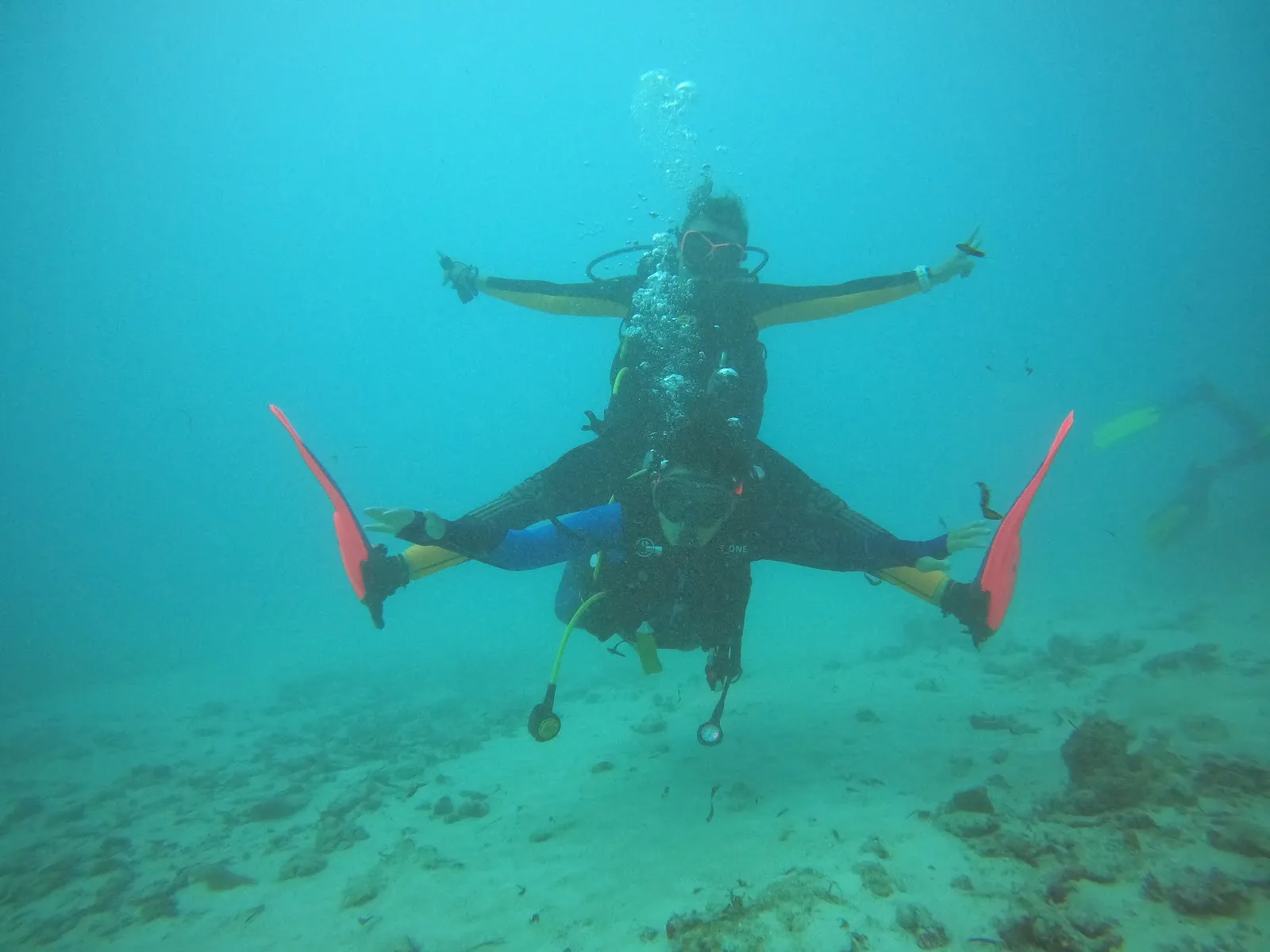
“We decided to go to Jambiani, Zanzibar for our honeymoon, primarily for the reason of learning to dive and getting our PADI Open Water!” (Google, 2025-11-09)
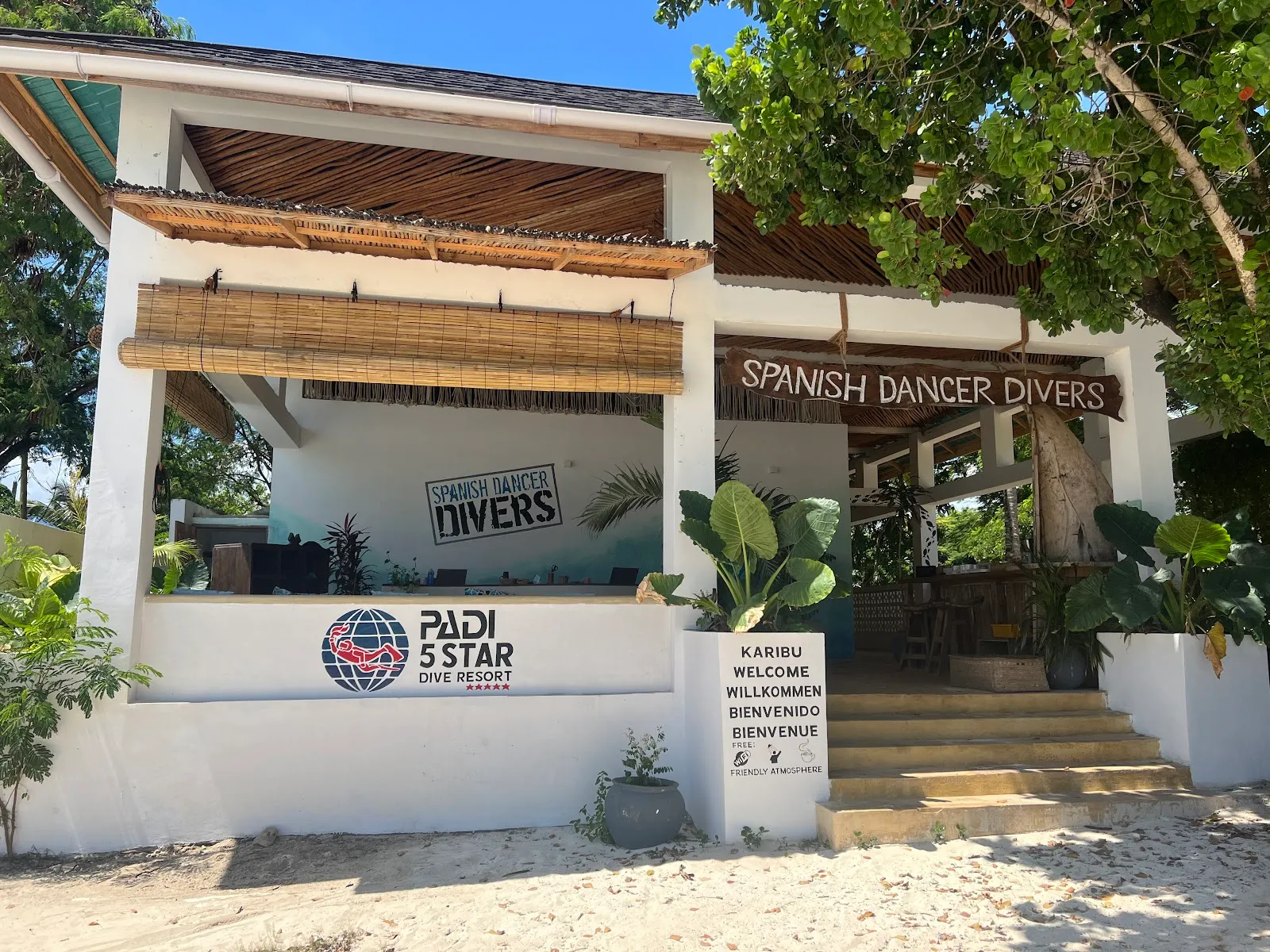
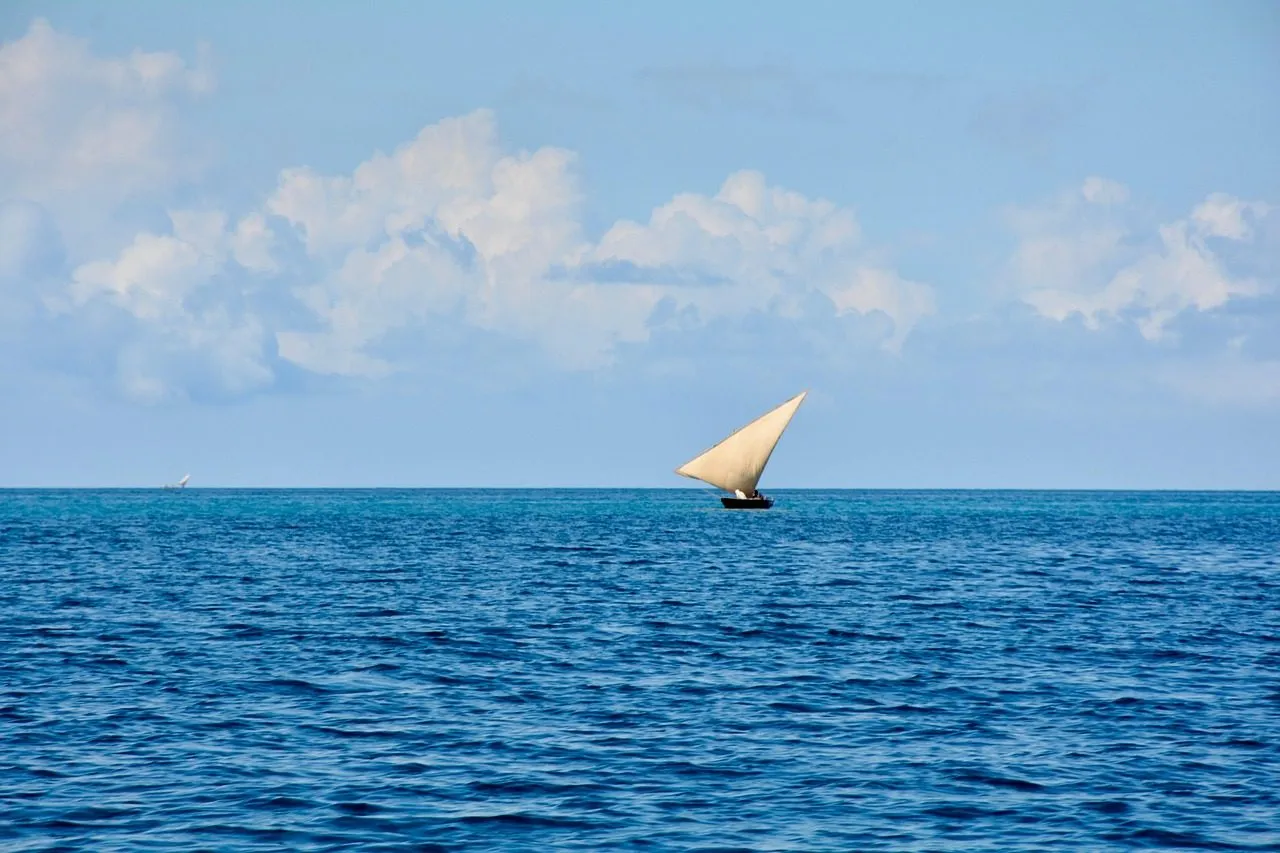
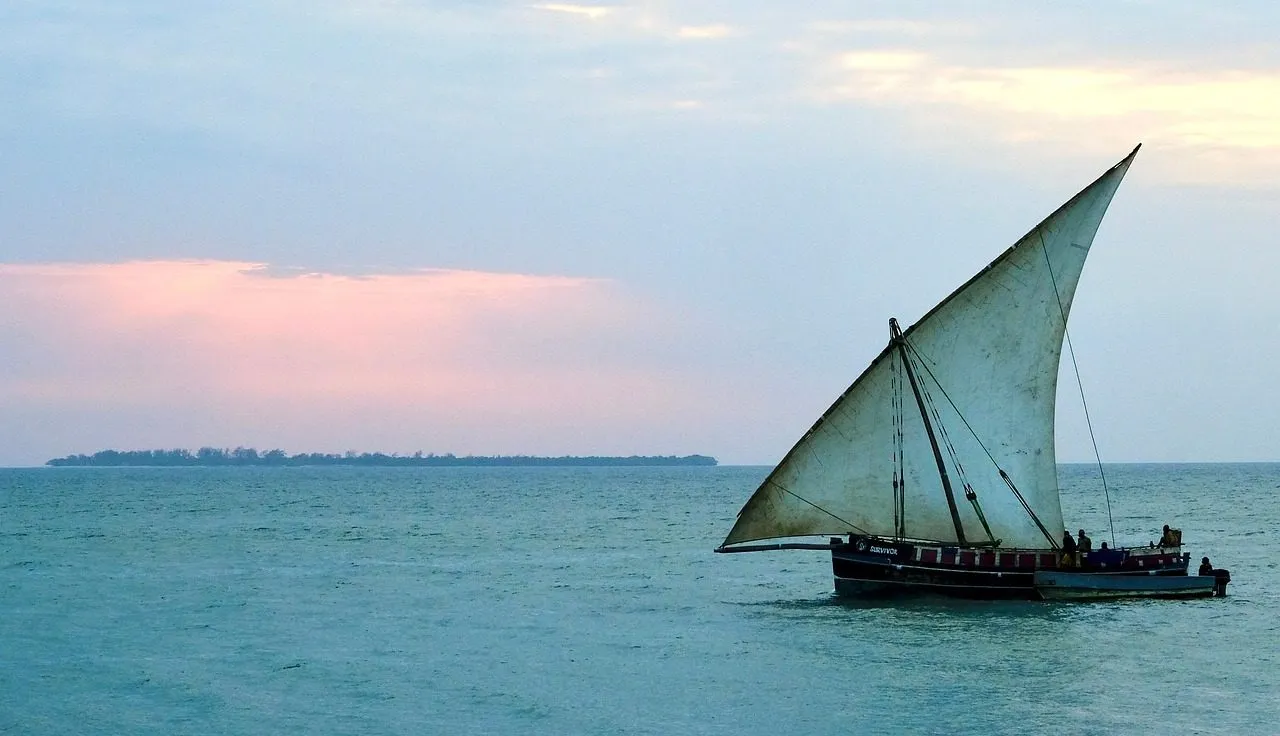
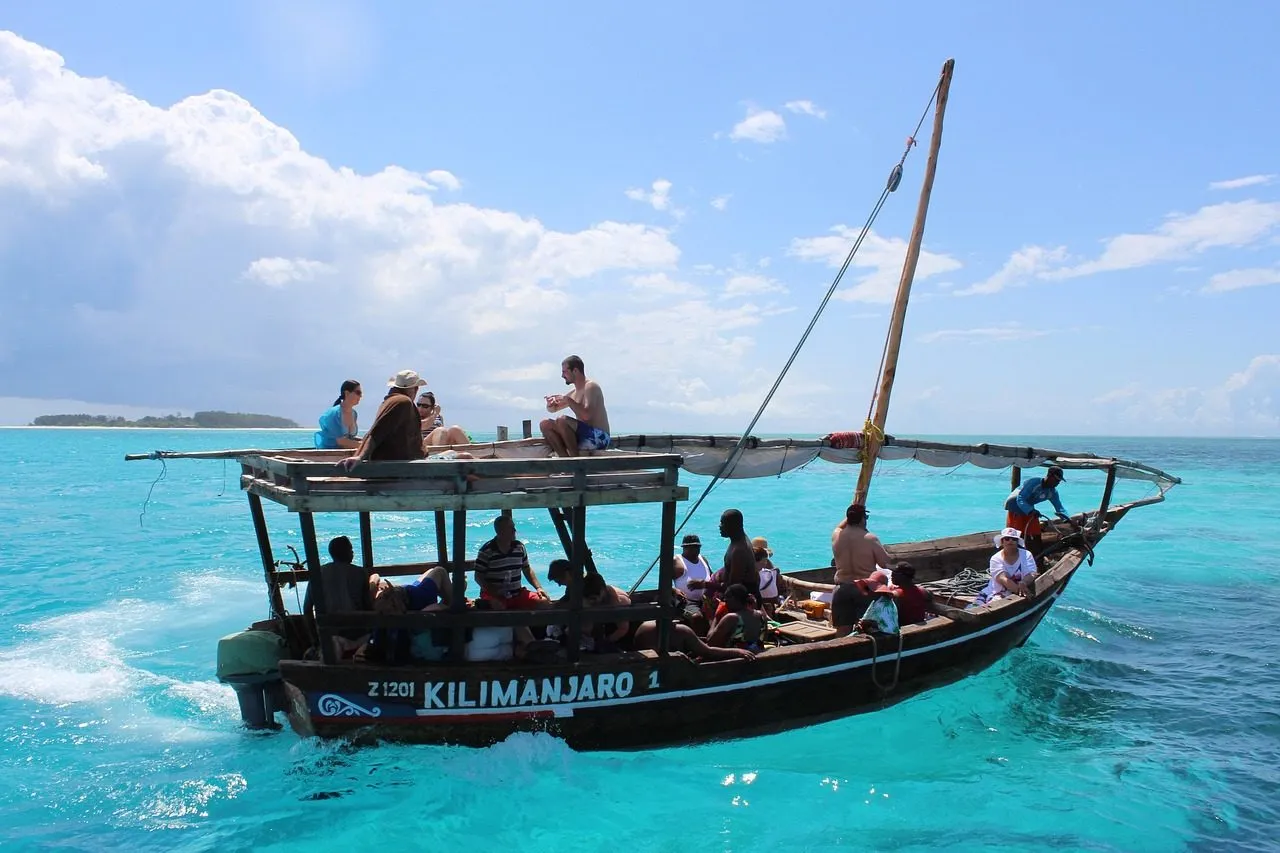
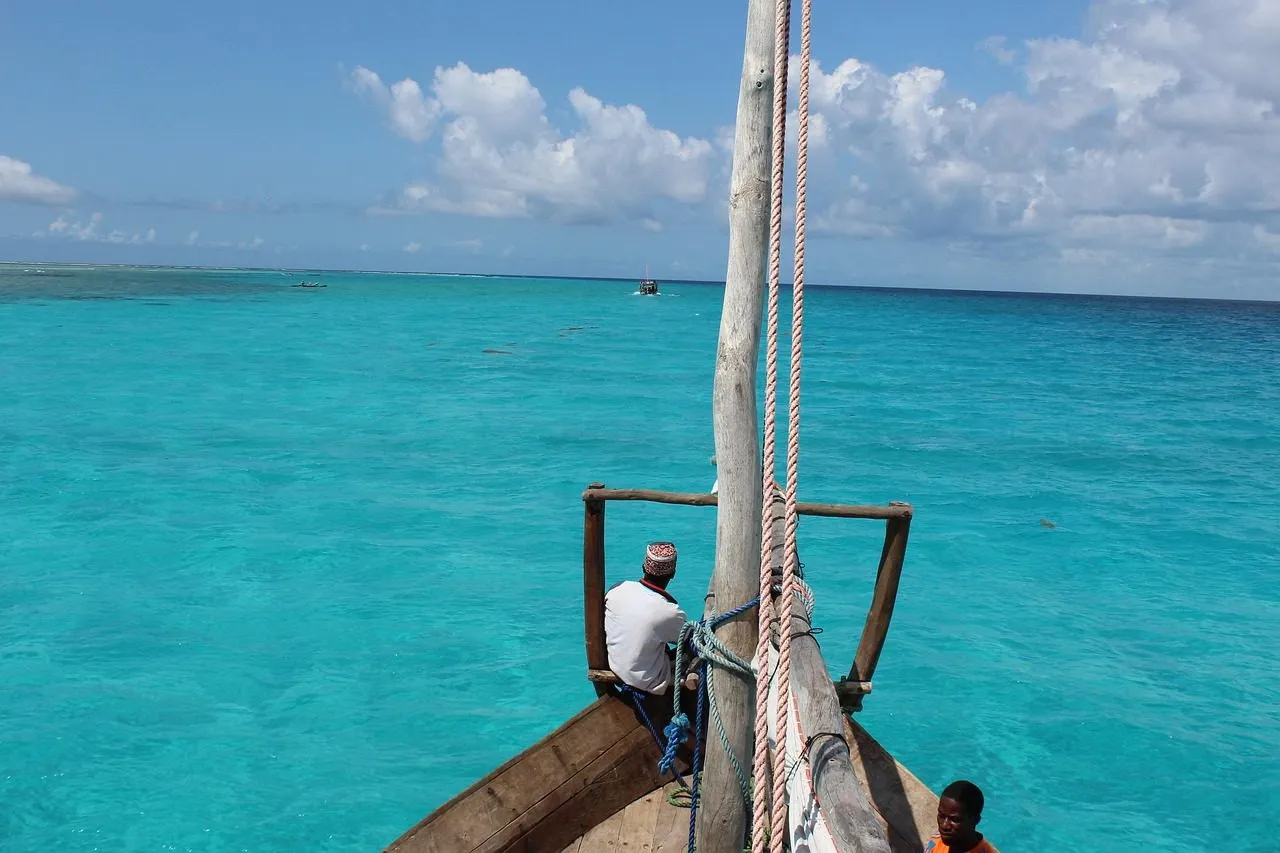
“I had a really great day at sea with Spanish Dancer Diving on a snorkeling trip aboard a traditional dhow. The whole team was amazing, from the first contact when booking the trip all the way through to the excursion itself.” (Google, 2026-08-09)
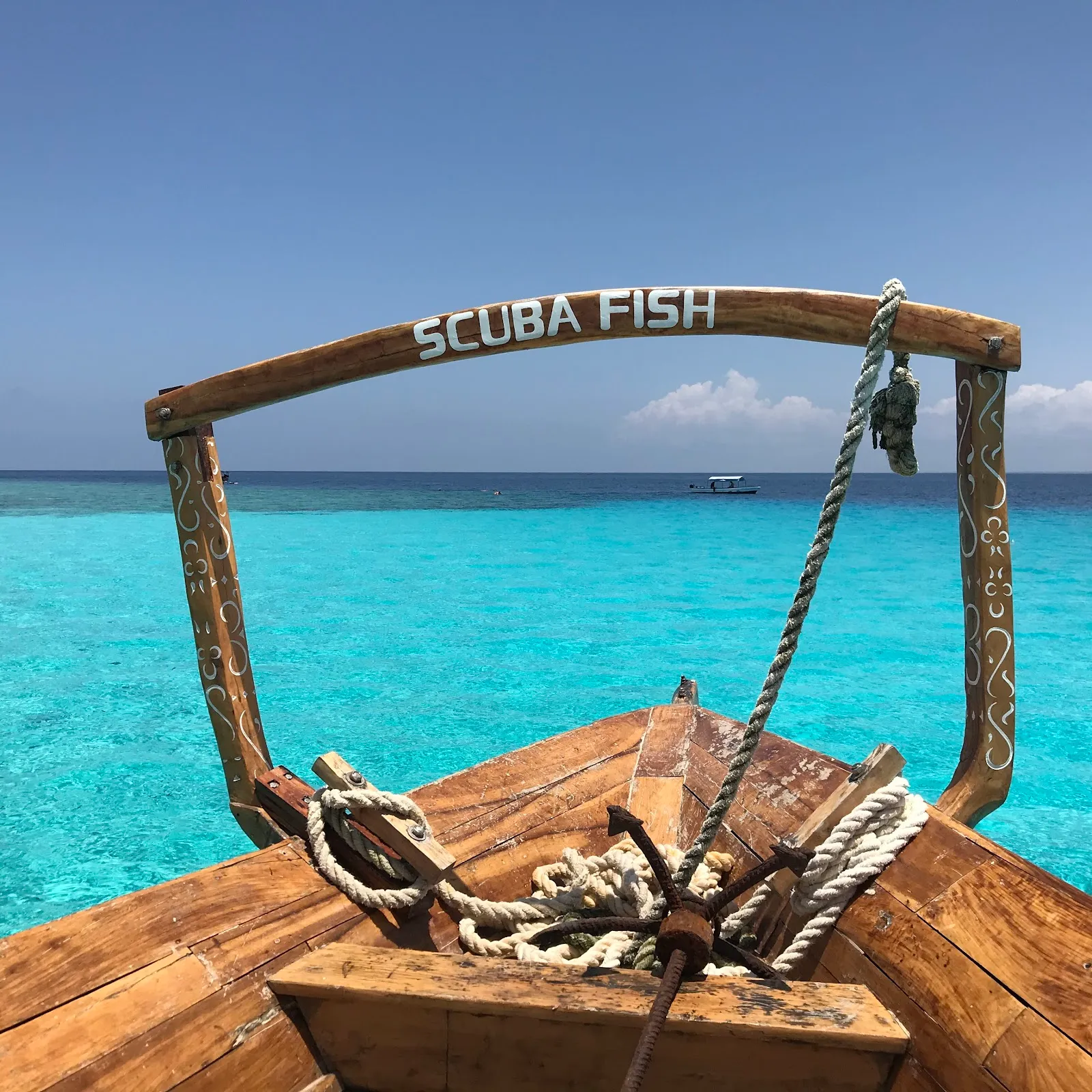
“Perfect day at the sea. Bbq and fresh fruit and a very nice crew. Beautiful snorkeling spots and a visit to the sandbank.” (Google, 2026-07-15)
No operators found.
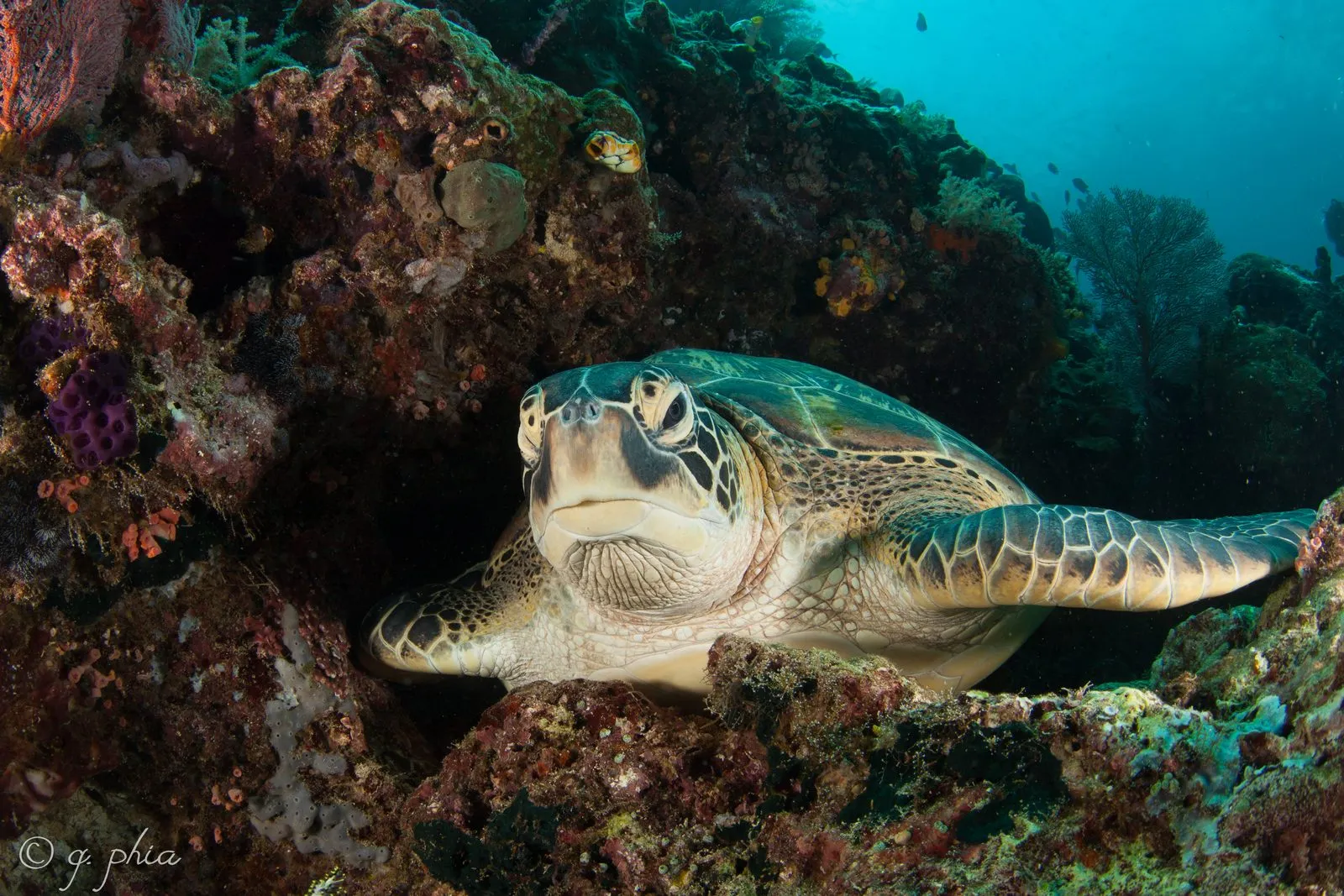
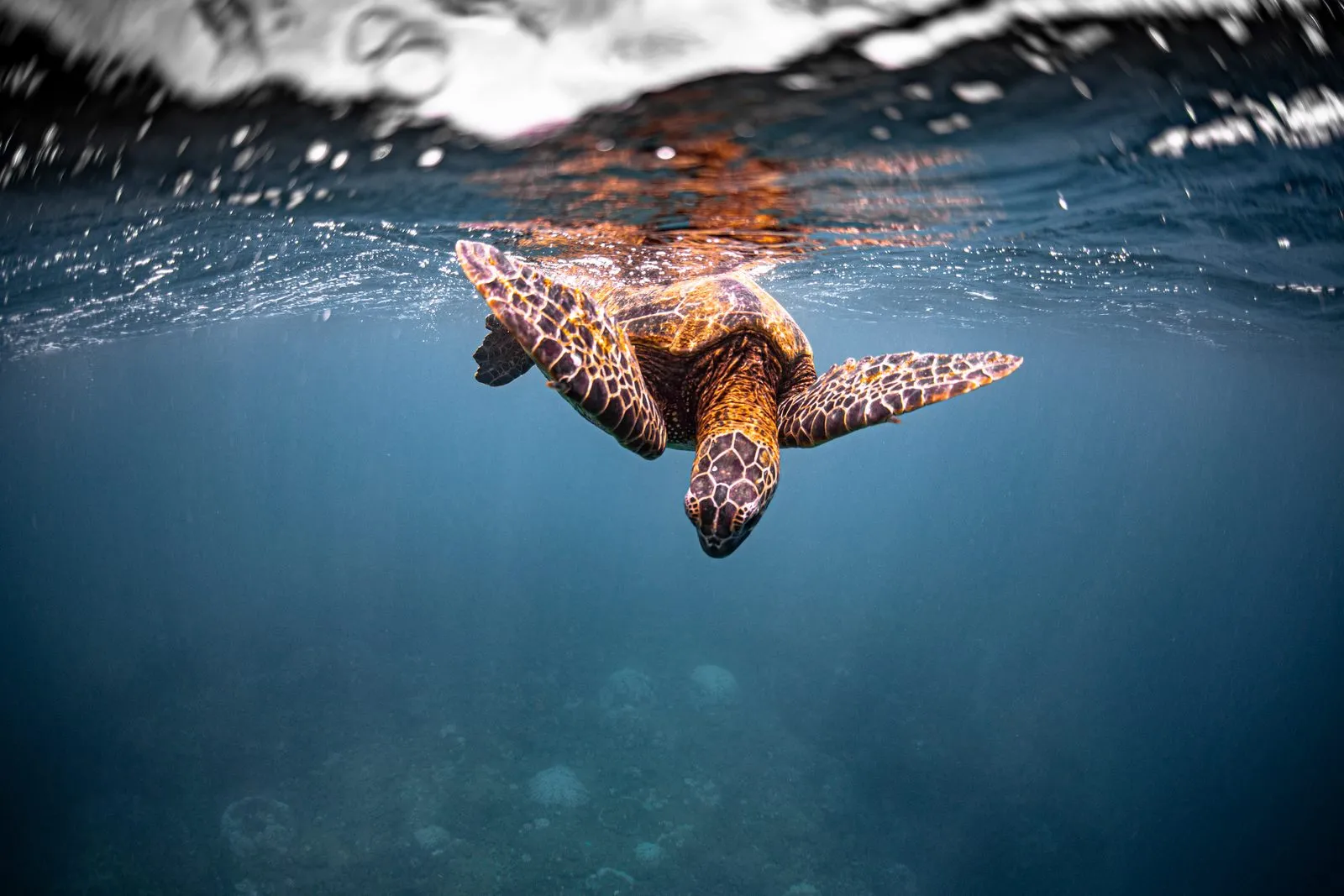
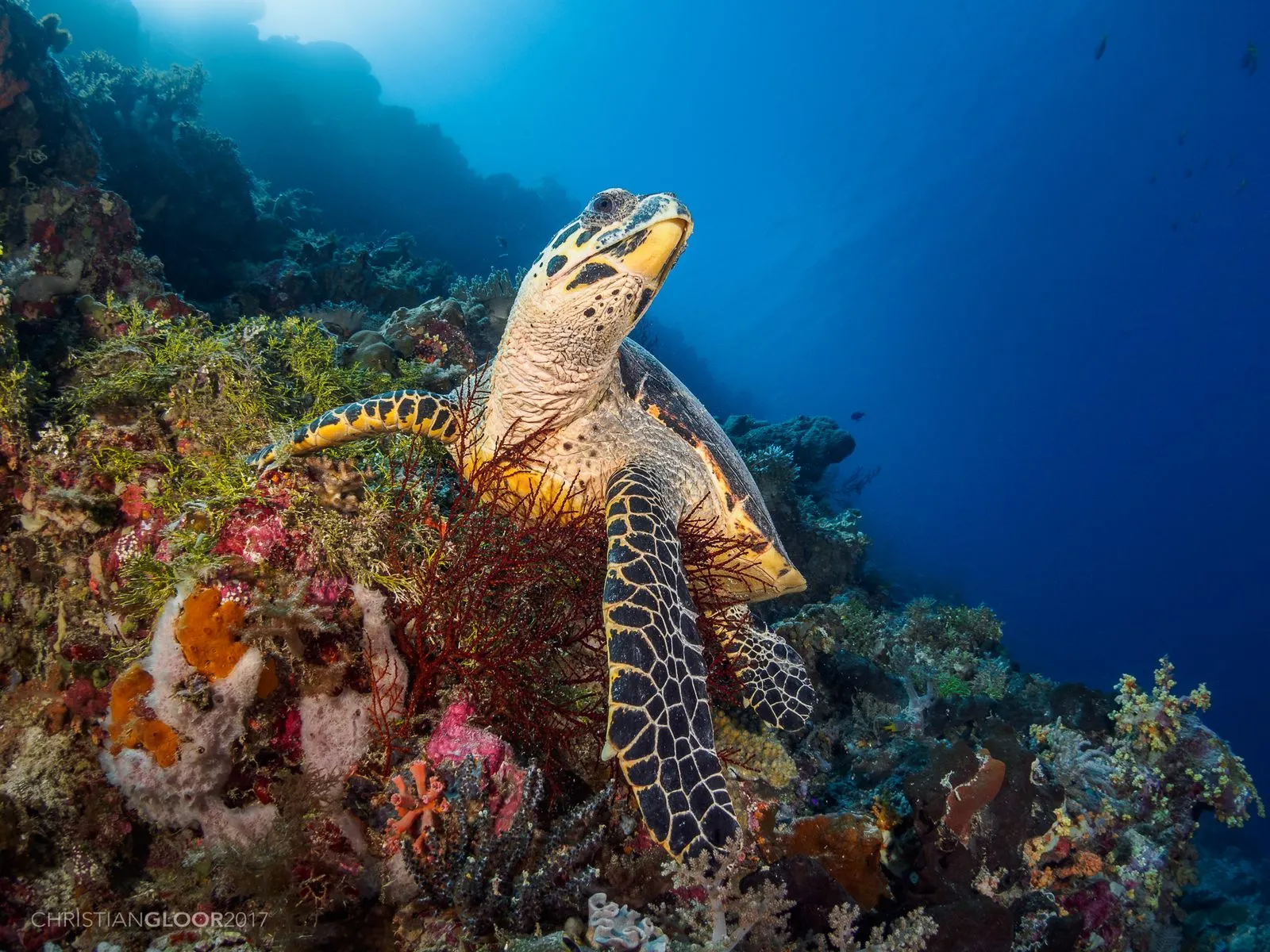
Mnemba Atoll's protection has made it one of East Africa's better-regarded reef and channel dive sites, known especially for regular encounters with pods of common and bottlenose dolphins. Green and hawksbill turtles are seen widely along the coast, and whale sharks pass through seasonally. Away from Mnemba, the reef supports a typical healthy Indian Ocean mix of moray eels, lionfish, and reef fish.
Terrain
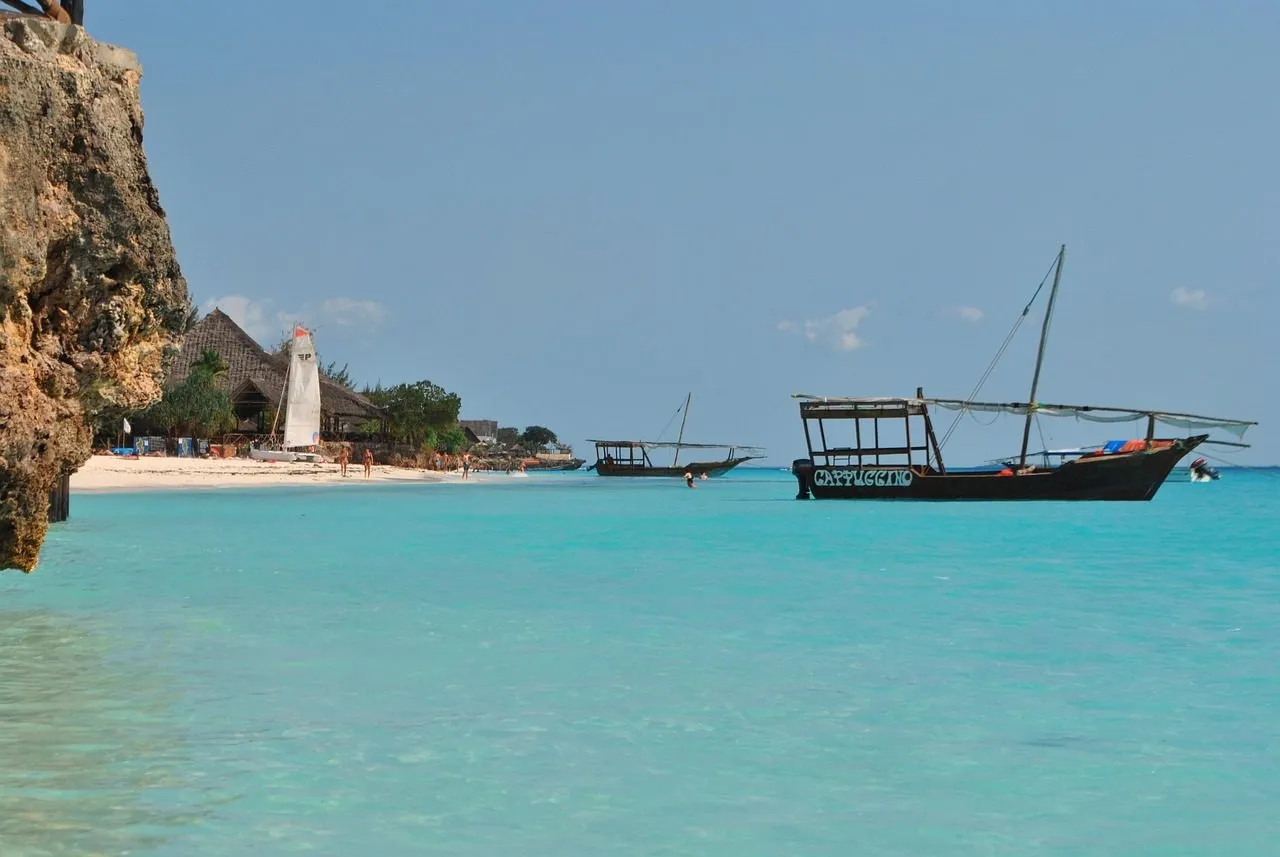
Mnemba is well known for pods of dolphins encountered on both dive and snorkel trips, though sightings aren't guaranteed on any given day.
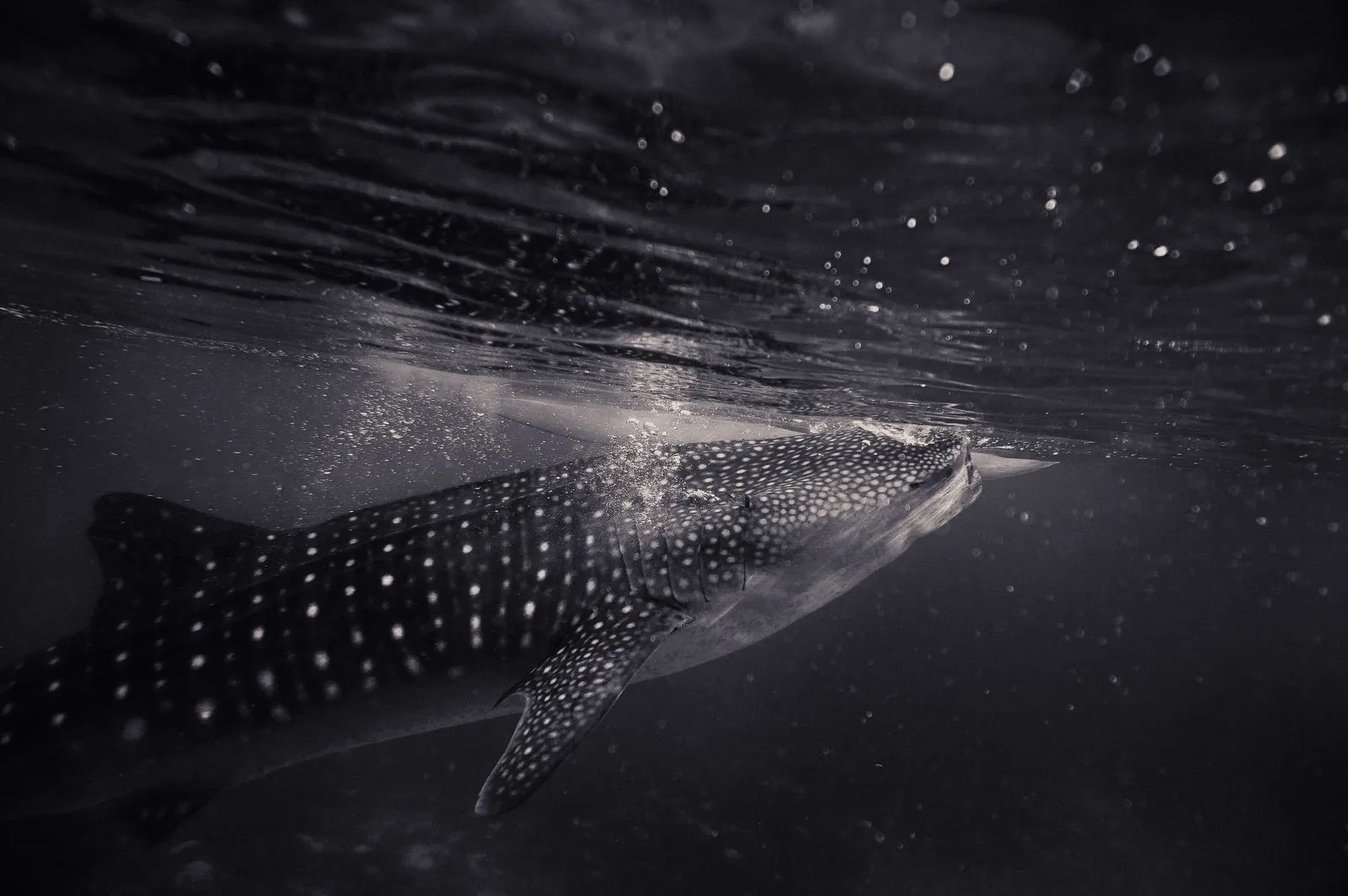
Zanzibar is one of the better East African spots for seasonal whale shark encounters, Sep-Dec.
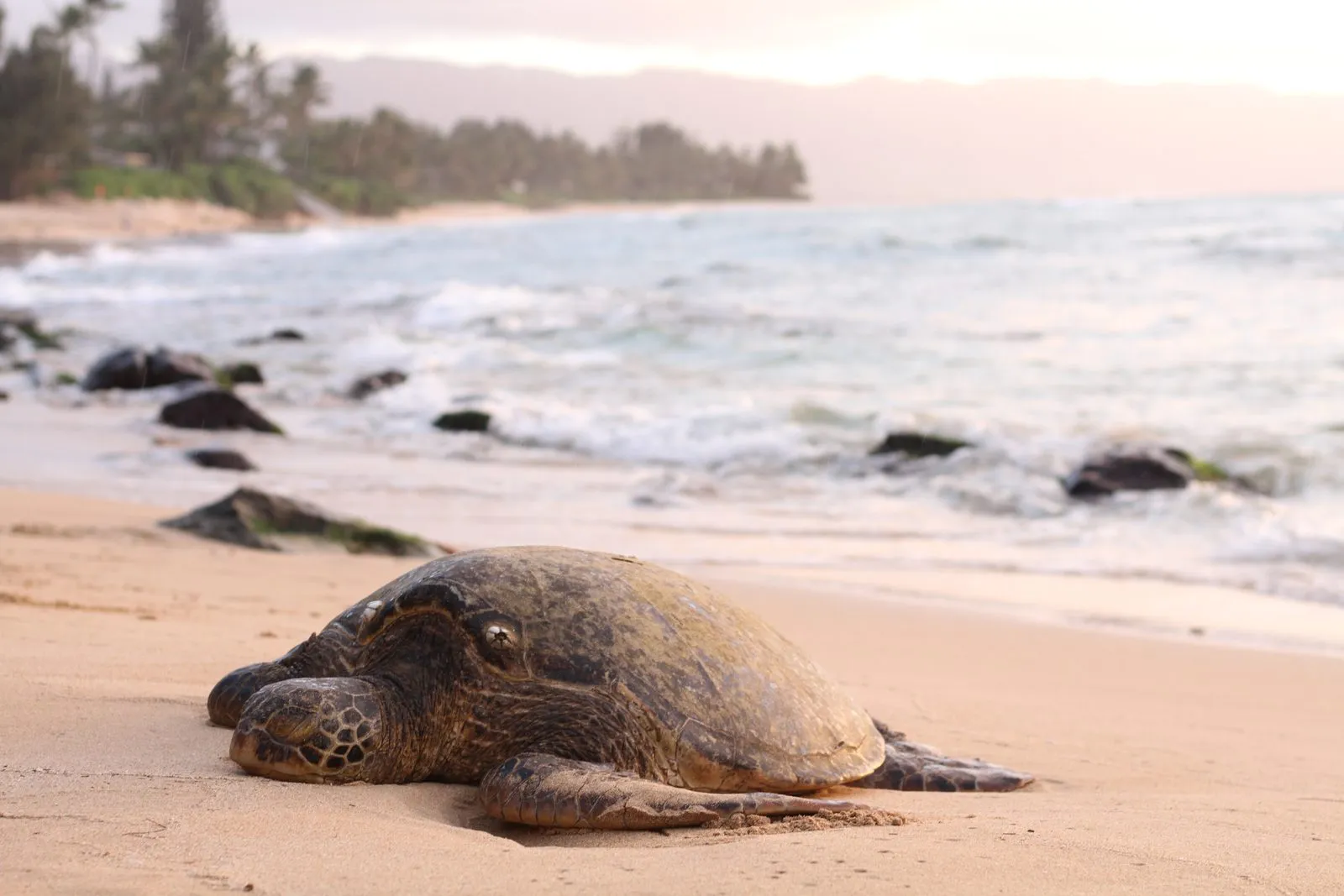
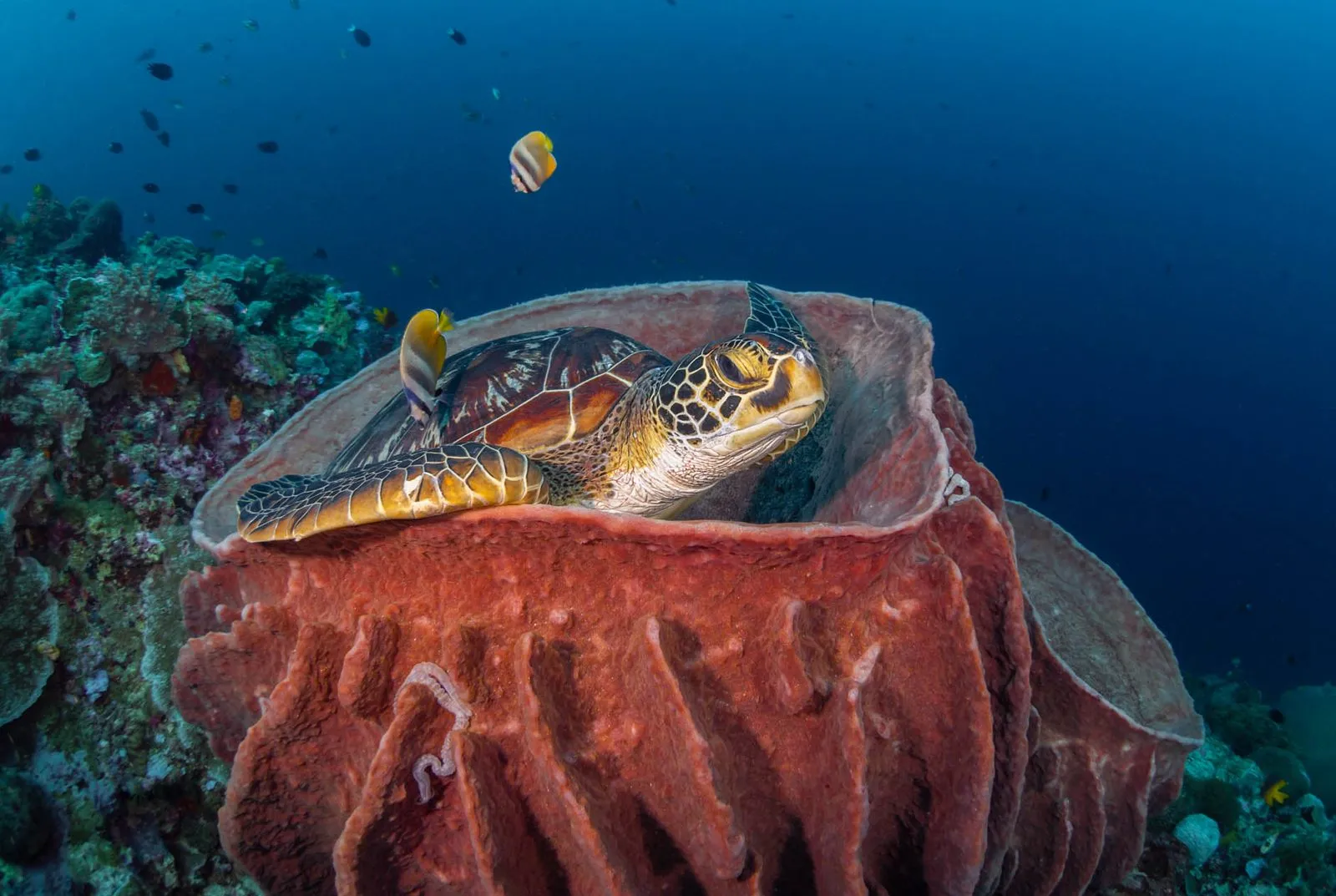
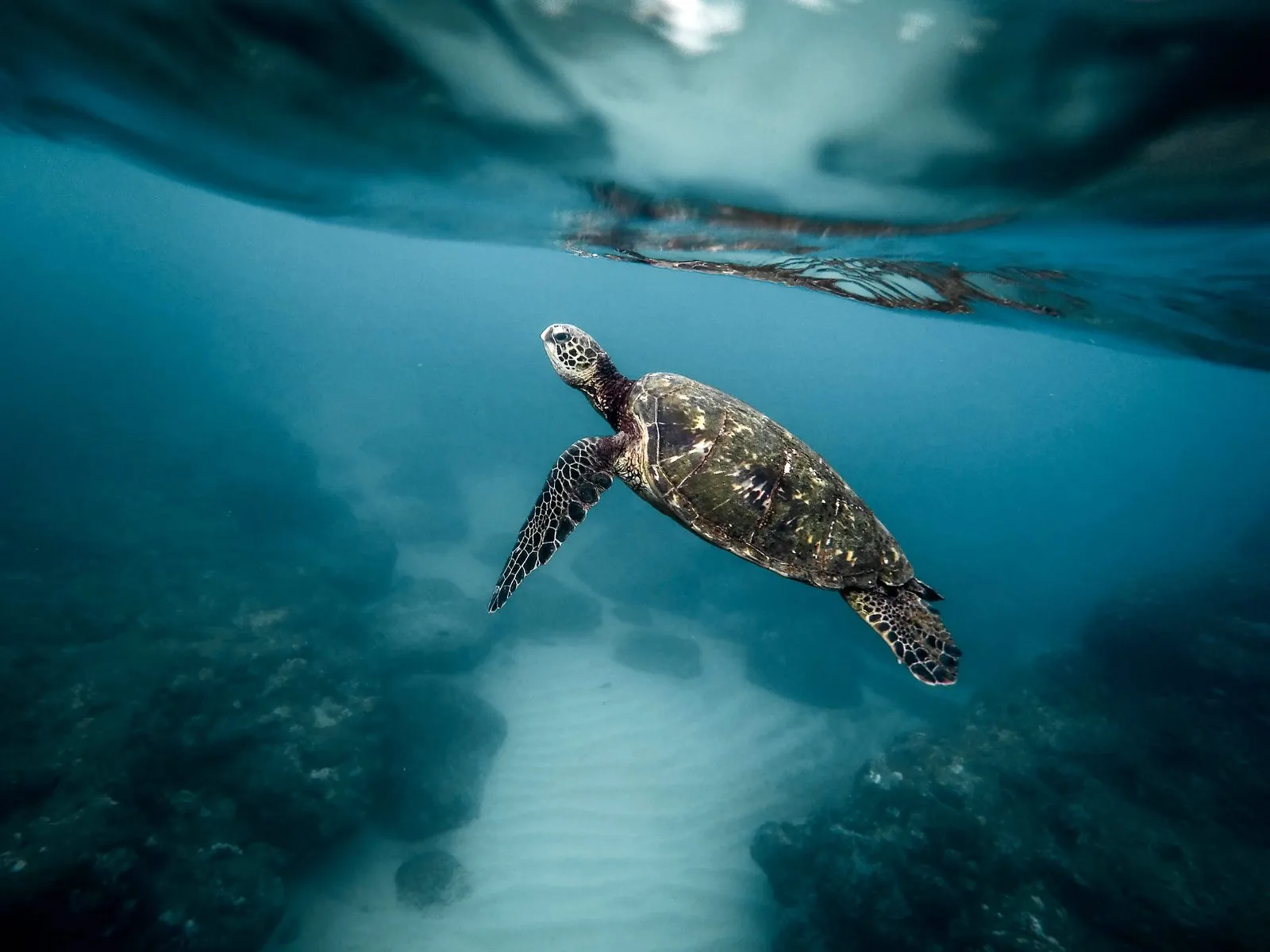
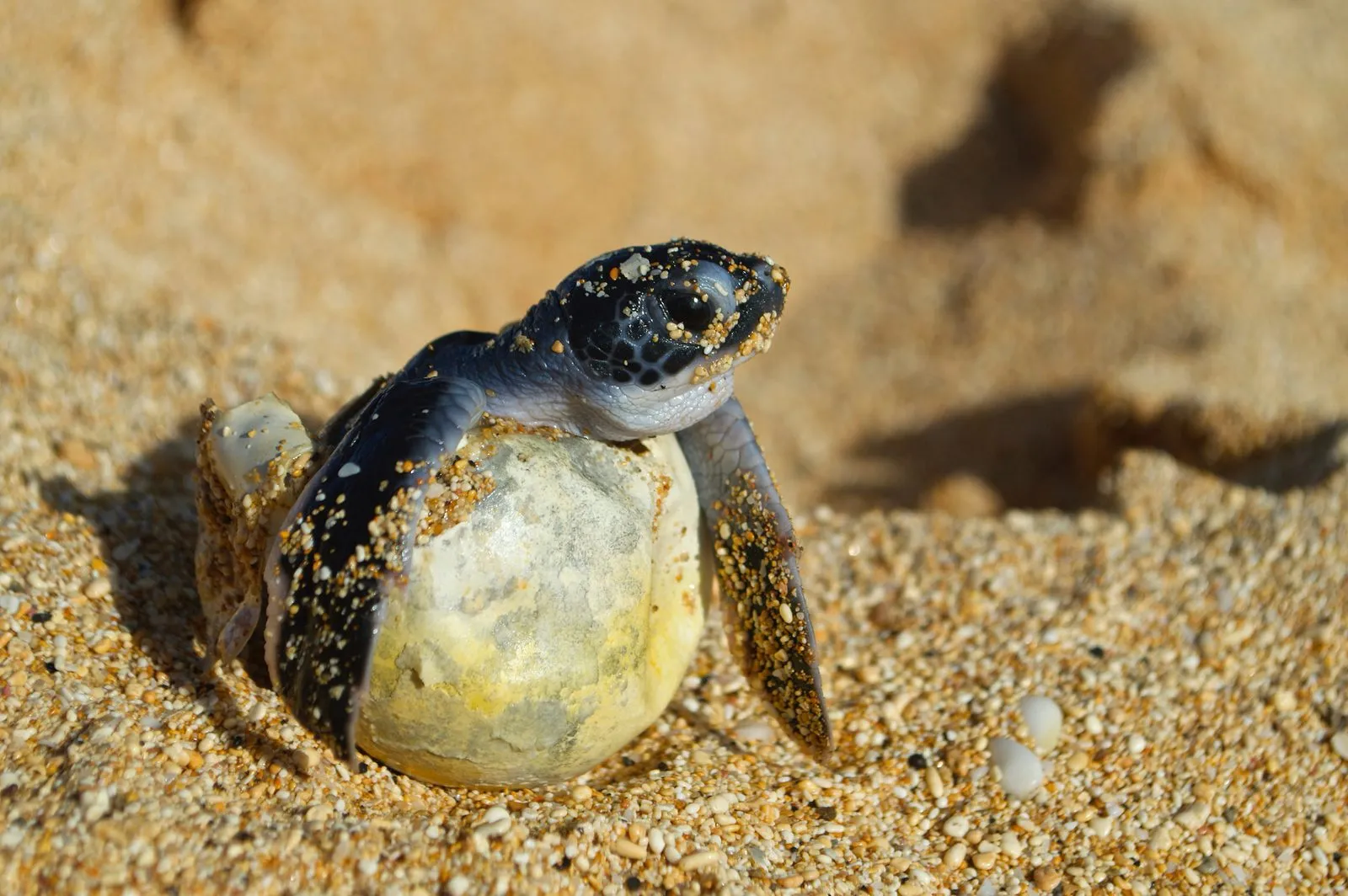
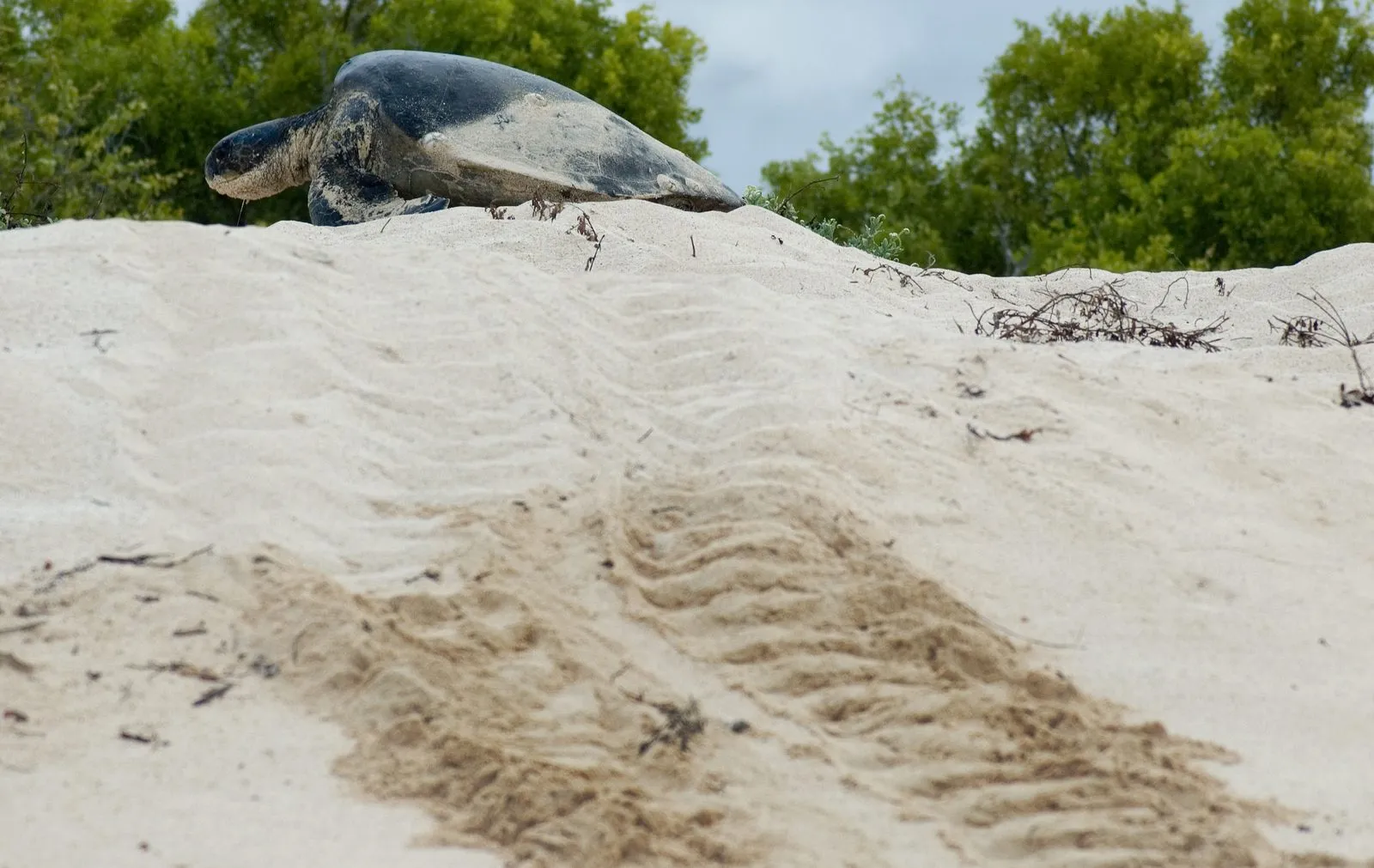
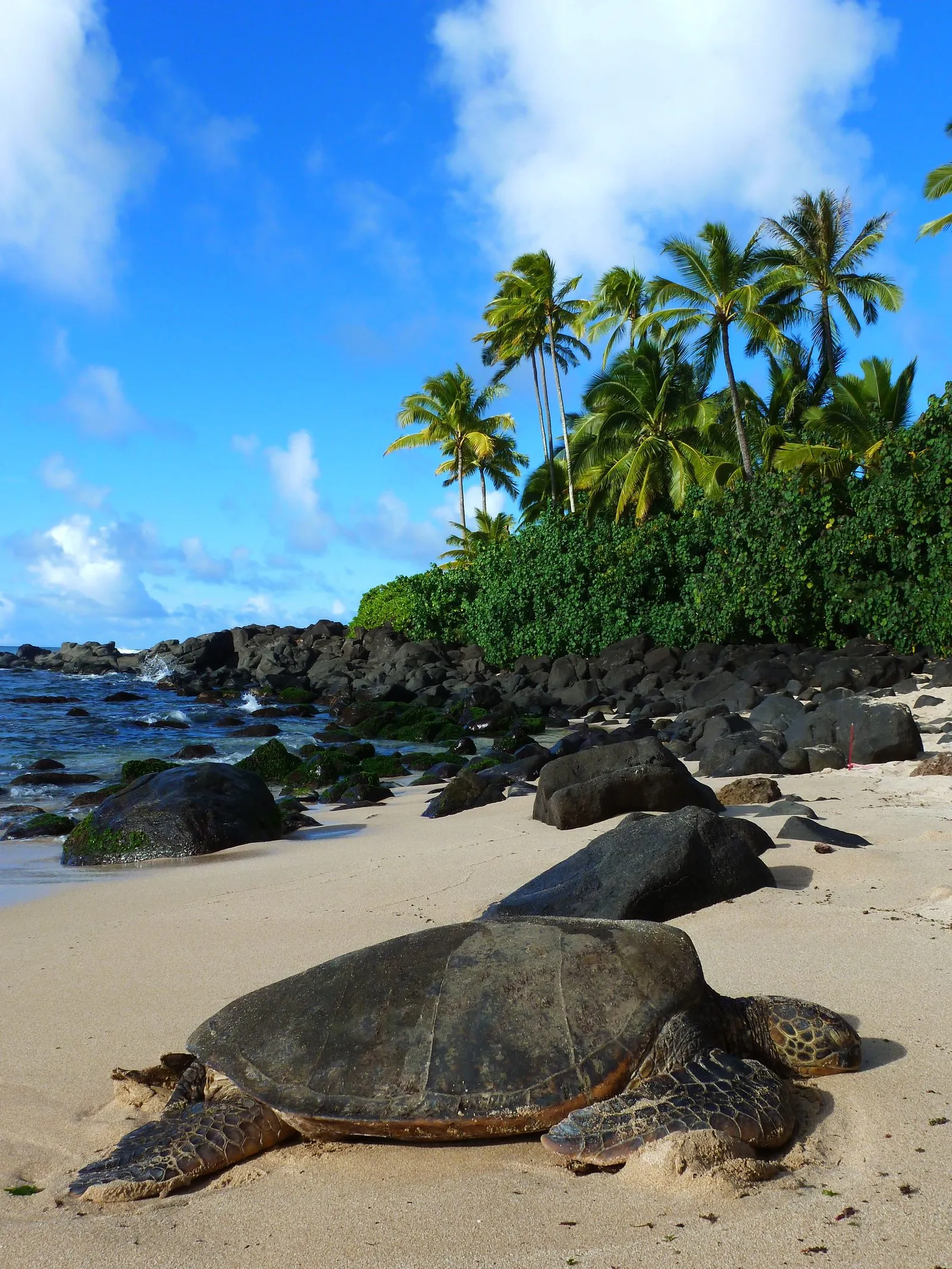
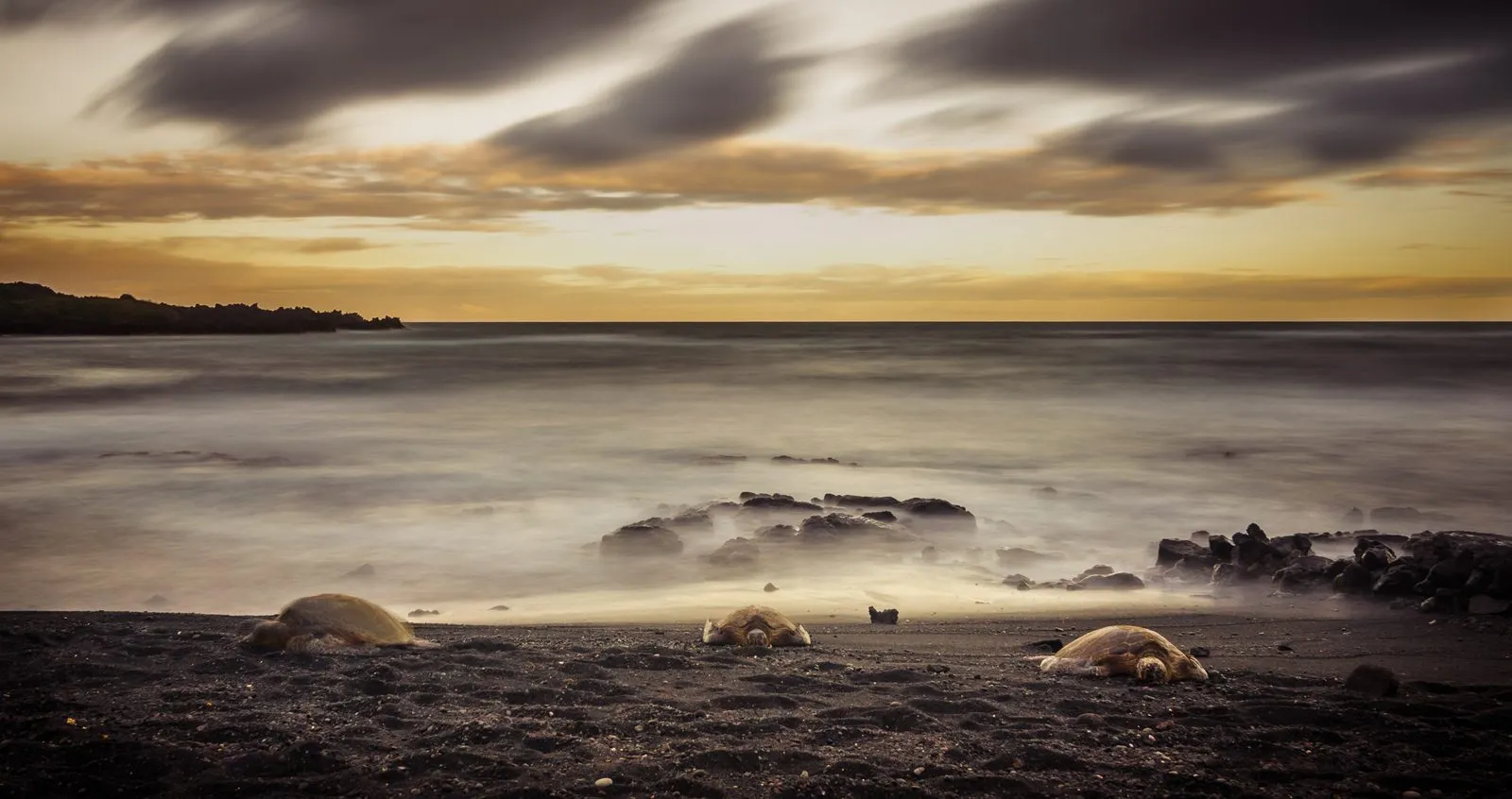
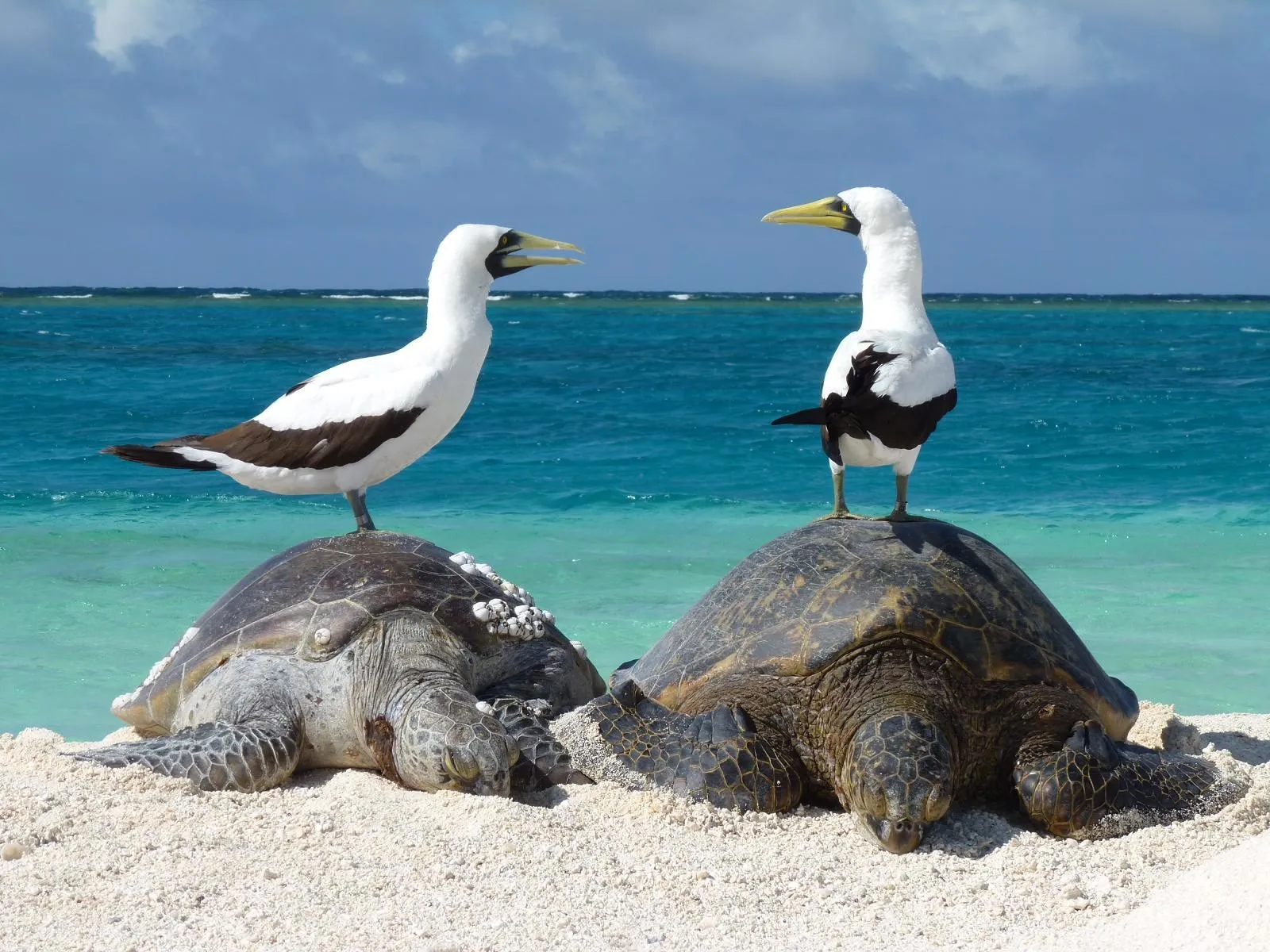
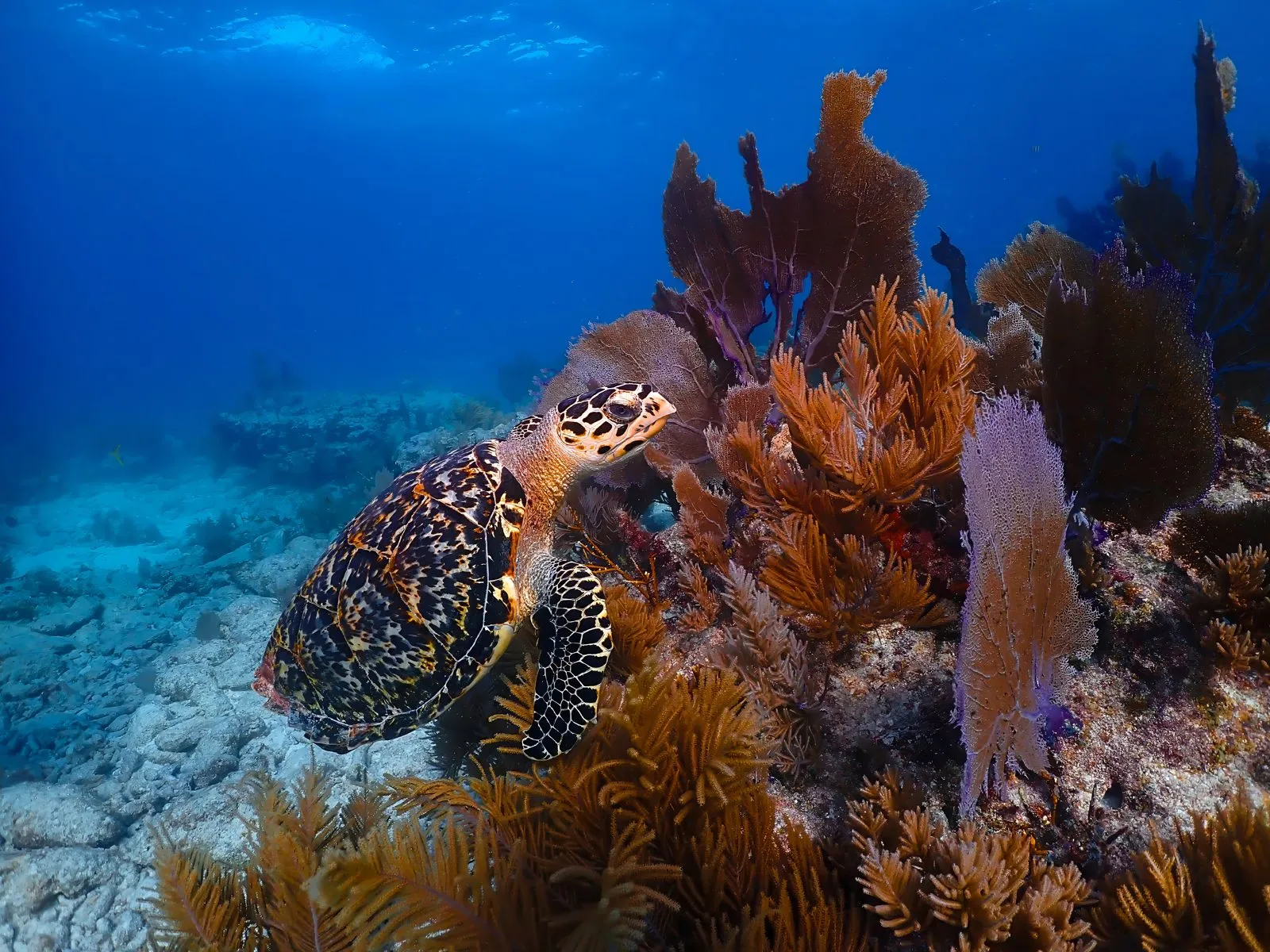
Green and hawksbill turtles are seen widely along the reef and at Mnemba.
A healthy year-round Indian Ocean reef community across the north and southeast coast sites.
Depth5–25 m
A protected reef wall inside the Mnemba Atoll marine reserve, known for excellent visibility, healthy coral, and regular dolphin sightings.
Depth10–30 m
A current-fed channel site at Mnemba Atoll attracting larger reef fish and occasional pelagics when the tide is running.
Depth15–30 m
An offshore reef bank off the north coast, less visited than Mnemba, with good coral cover and a chance at bigger fish life given the exposure.
Depth6–20 m
Quieter reef sites off Zanzibar's southern tip, best known alongside the area's dolphin-watching boat trips.
Depth5–15 m
A shallow, easy reef close to the southeast-coast beach bases, a common training and check-dive site.
Fly into Abeid Amani Karume International Airport (ZNZ) in Stone Town. Airport transfers to Stone Town run roughly $10-15; onward transfers to Nungwi (north) take about 1.5 hours and to southeast beaches like Jambiani around 1 hour, both commonly arranged through the resort or a private taxi.
Open Water minimum for the standard reef and Mnemba sites. Nearest recompression chamber is on the Tanzanian mainland (Dar es Salaam), a flight away, so shops brief conservatively given the more remote medical evacuation logistics.
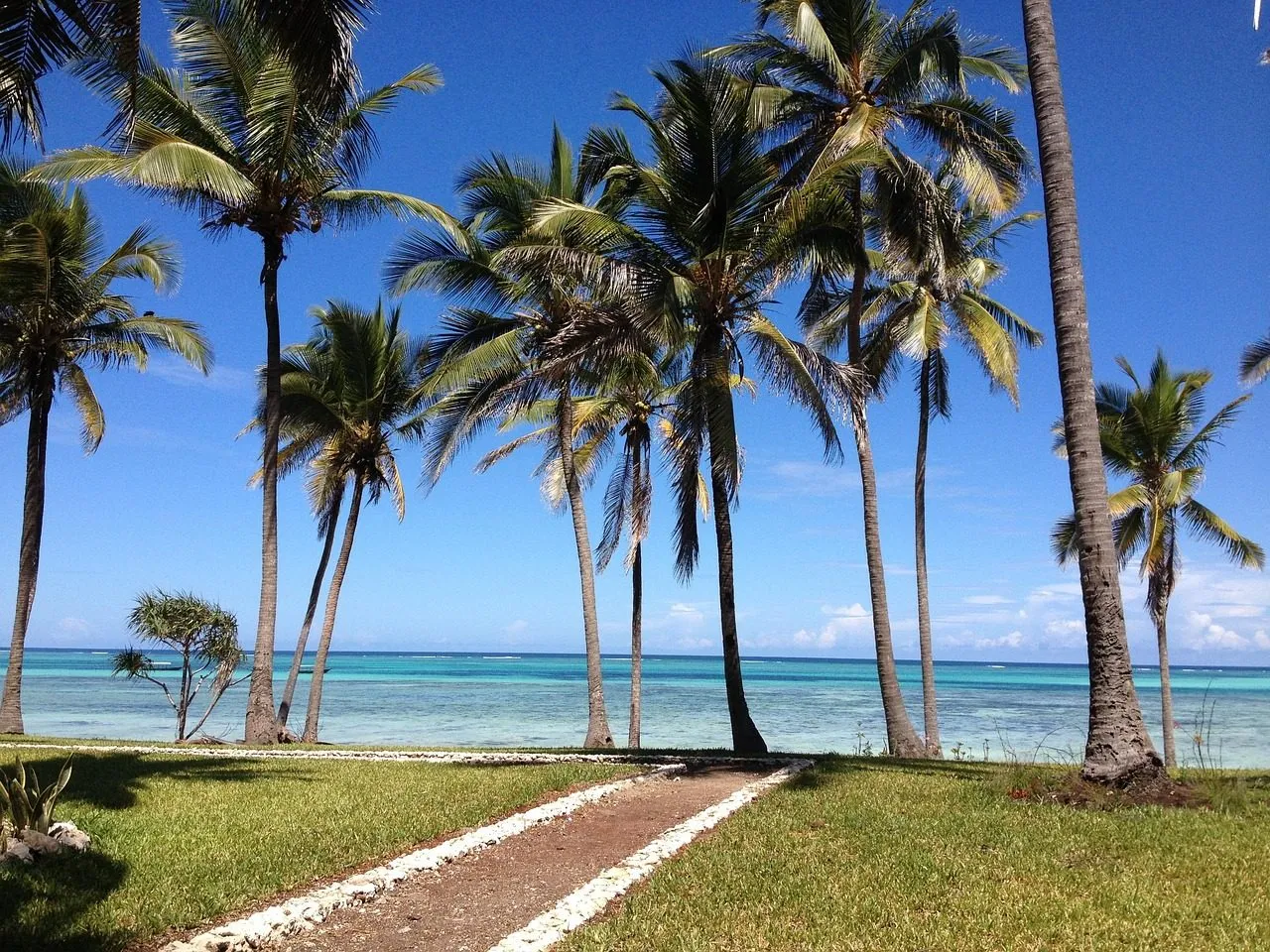
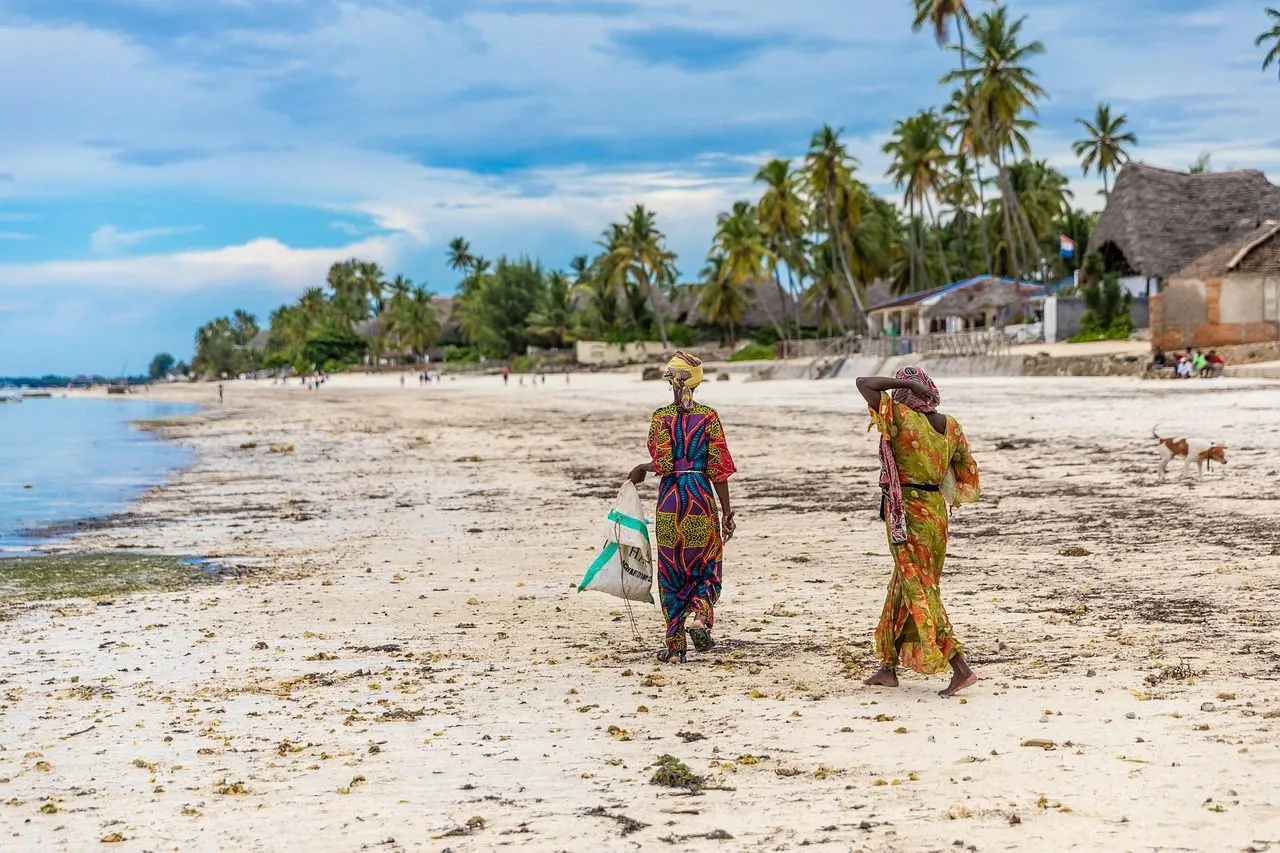
Stone Town has full city infrastructure; the beach areas (Nungwi, Jambiani, Paje, Kizimkazi) range from well-developed resort strips to quieter, simpler villages. ATMs and basic supplies are available in all the main tourist areas.
Mobile data works reasonably well across the island; WiFi is available at most hotels and dive shops, with the usual variability outside Stone Town.
Most diving is calm reef and channel diving well within recreational limits. The nearest recompression chamber is on the Tanzanian mainland, a real factor in emergency planning for divers pushing depth or current limits at Mnemba's outer sites.
Jul-Oct and Dec-Jan are the busiest windows, coinciding with the best diving conditions and (Sep-Dec) whale shark season. Apr-May's long rains are the quietest and least favourable stretch for both topside and underwater conditions.
Conditions and operator availability change. Always verify locally before booking.
Zanzibar is rated "Beginner-friendly". Open Water minimum for the standard reef and Mnemba sites. Nearest recompression chamber is on the Tanzanian mainland (Dar es Salaam), a flight away, so shops brief conservatively given the more remote medical evacuation logistics.
The best months are Jul, Aug, Sep, Oct, Nov, Dec, Jan, Feb, Mar. Diveable year-round, but Jul-Oct and Nov-Mar are the two best windows for calm seas and good visibility. Apr-May (the long rains) is the weakest stretch, with rougher seas and lower visibility.
Divers come to Zanzibar for Common dolphins (Mnemba Atoll), Whale sharks, Sea turtles, Reef fish & moray eels. Zanzibar's diving centres on Mnemba Atoll, a protected marine reserve off the northeast coast with some of the best visibility in the archipelago and a strong reputation for dolphin encounters. The wider coastline offers easier, current-light reef diving from Nungwi in the north to Jambiani and Kizimkazi in the south, making it a good fit for both new divers and those chasing a specific big-animal season.
Guided dives and trips range from USD 20 to USD 1,500, based on operator prices verified 2026-09-16. Confirm current prices with the operator.