
Um El Faroud
Advanced onlyDepth15–36 m
A 110m former oil tanker deliberately scuttled in 1998 off Wied iż-Żurrieq, now sitting upright in two sections and large enough to warrant multiple dives.
- wreck
- large hull
- resident fish life
Malta
A Mediterranean wreck-and-cave diving hub with a well-developed tourism scene and a strong European (especially French and German) diver base.
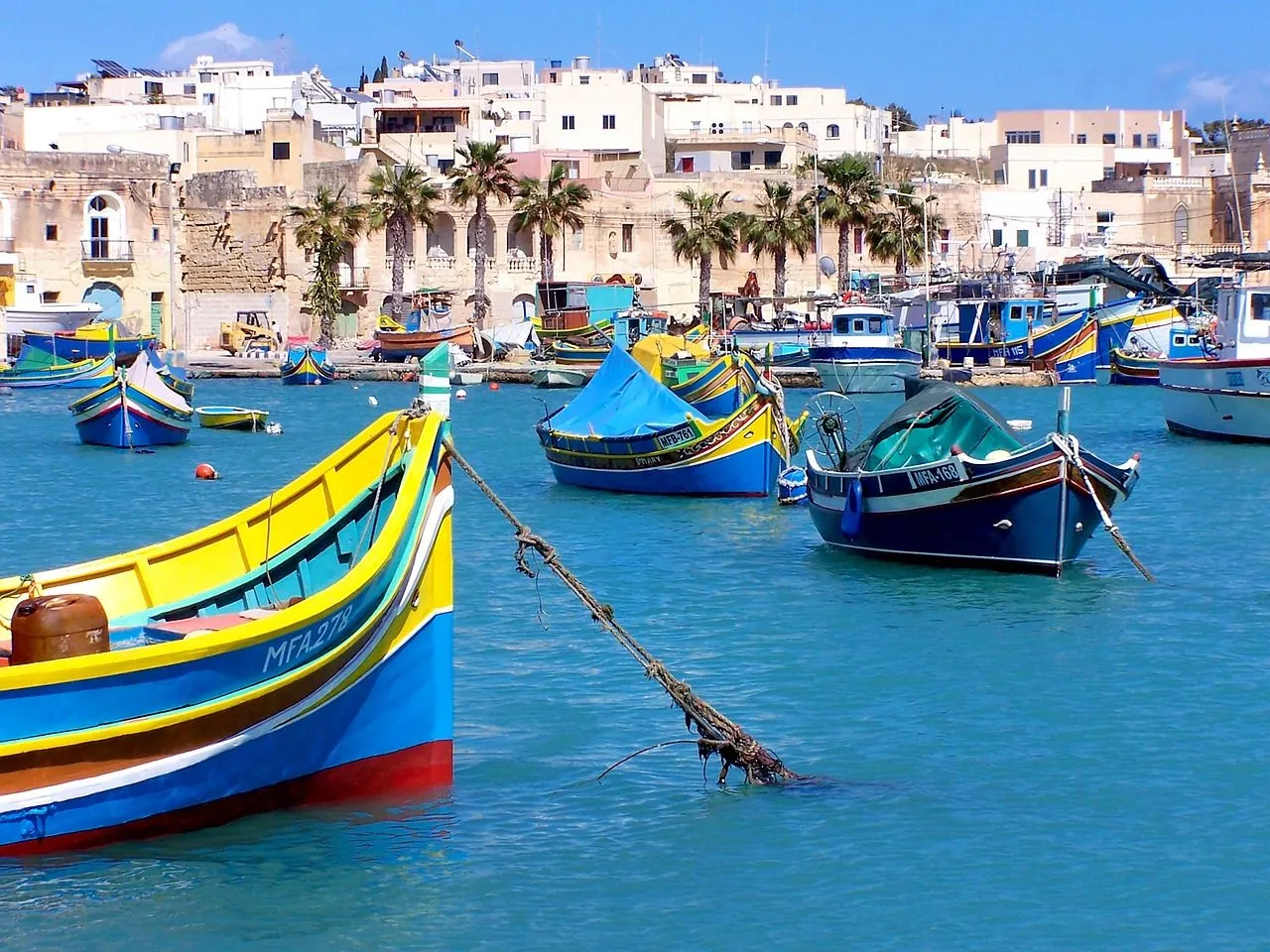
Malta and Gozo punch well above their size for wreck and cavern diving, with an unusually dense concentration of sites in clear, current-light water reachable from shore or a short boat ride. It's a well-trodden European dive destination rather than a remote one -- proper infrastructure, direct flights from most of Europe, and a dive scene geared as much toward technical/wreck specialists as toward first-time certifications. Gozo, a short ferry ride away, is quieter and more dramatic geologically than the Malta mainland.
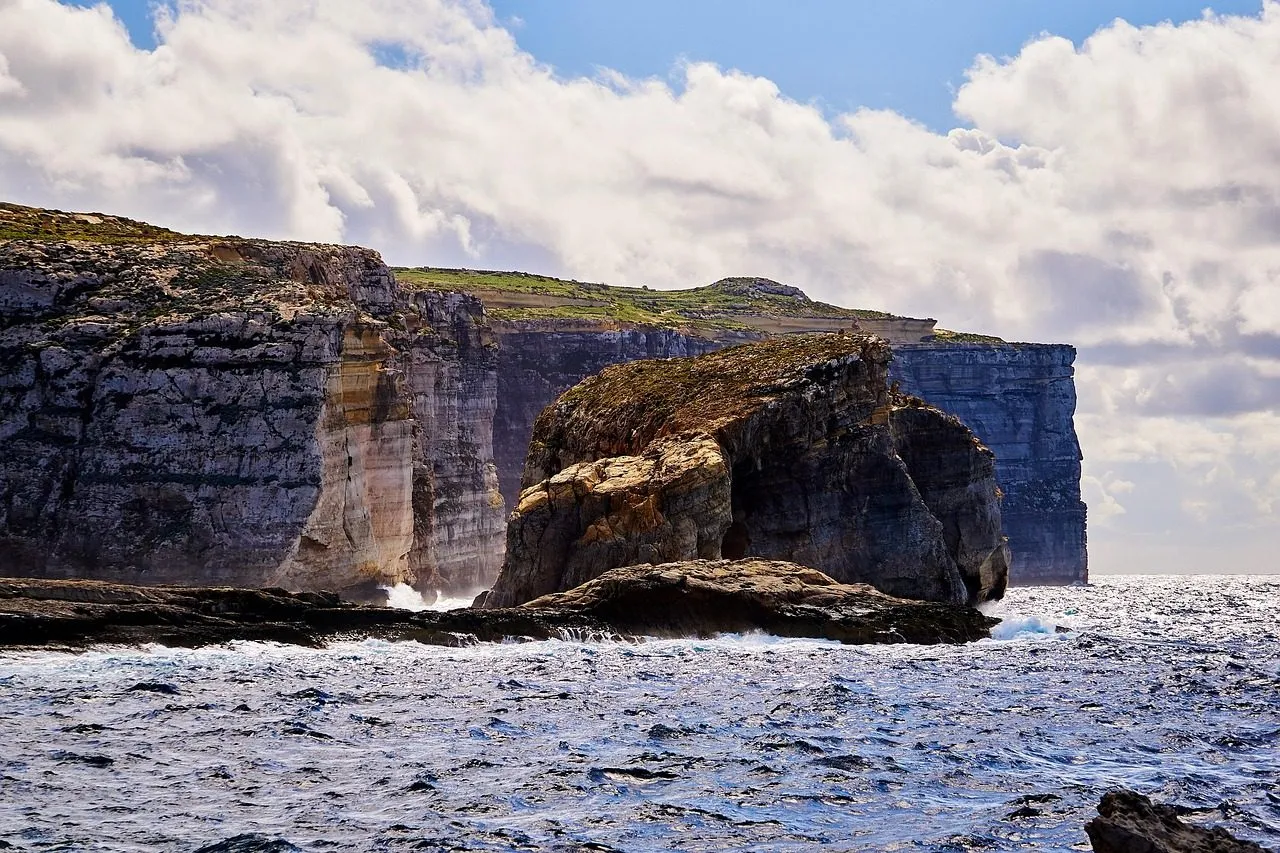
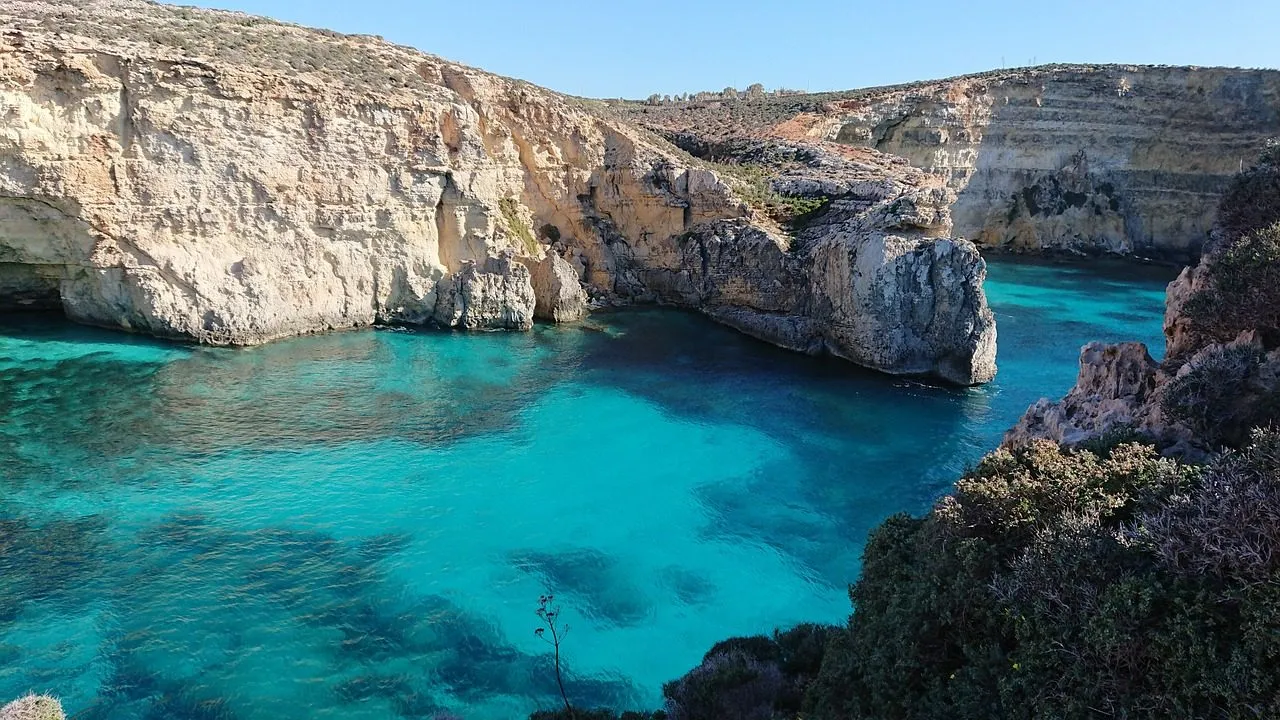
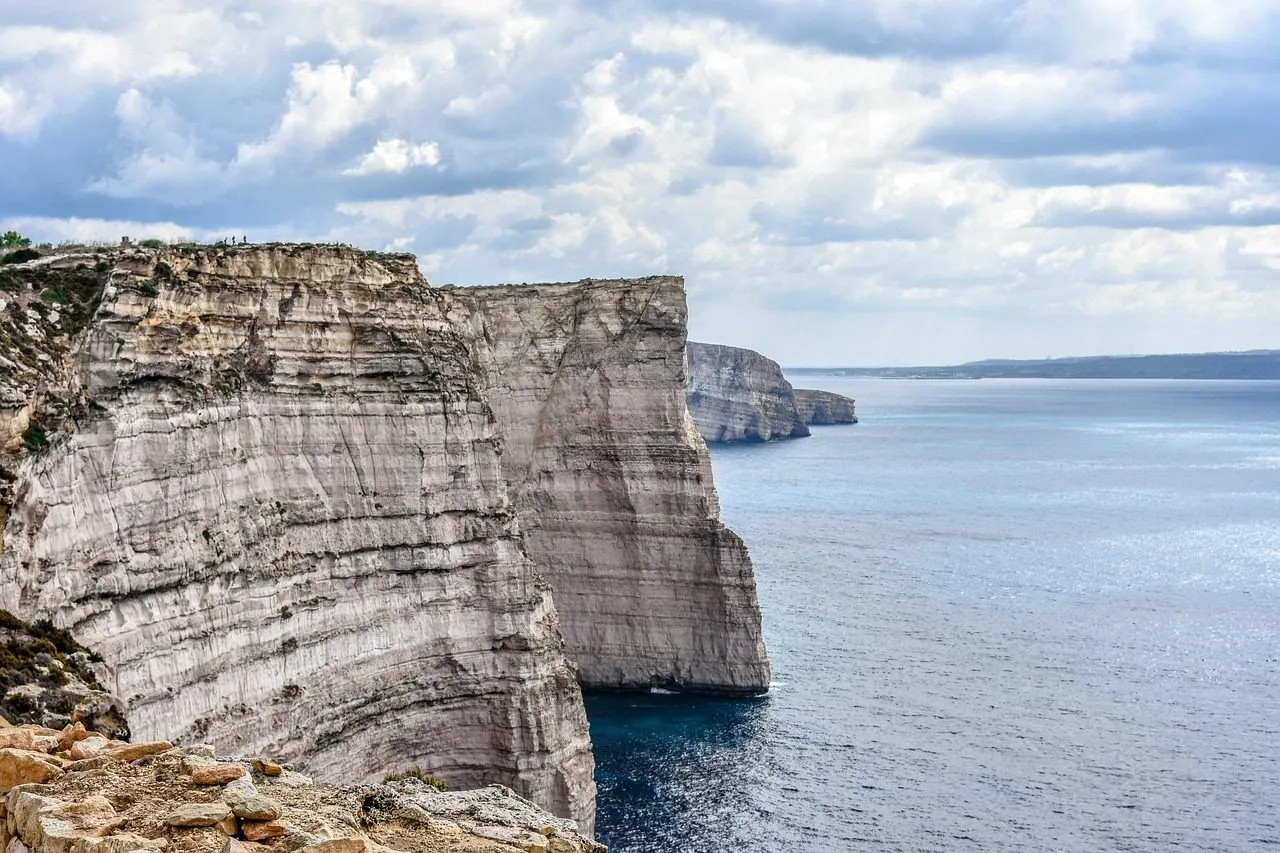
Malta and Gozo are built around clear, current-light Mediterranean water and an unusually dense concentration of deliberately-sunk and wartime wrecks, plus dramatic limestone topography -- caves, arches, and the collapsed-arch site once known as the Azure Window. Fish life is modest by tropical standards; the draw here is visibility, wrecks and rock formations rather than marine-life density.
Also good: May, Jun, Jul, Aug, Sep, Oct.
Diveable year-round, but May-Oct is when the Mediterranean is warmest and calmest; winter diving is still done (drysuit territory for most divers, roughly 15-16°C) with fewer boats running and choppier surface conditions.
Converted at 26 Oct 2026 rates. Shops charge in their own currency.
No operators found.
Malta's underwater scene is defined more by geology and history than by fish density. Grouper, moray eels, octopus and nudibranchs are common on the reef and wreck sites, and the wrecks themselves -- from WWII casualties to purpose-sunk ferries and patrol boats -- have become artificial reefs with their own resident life. Visibility and sea conditions vary by site and weather, so ask about recent conditions for your dates.
Terrain
Um El Faroud, HMS Maori, SS Margit, P29 patrol boat and others -- Malta has one of the highest wreck densities in the Mediterranean.
Common residents of the reef and wreck sites year-round.
Macro life is a steady year-round presence across most sites.
Depth15–36 m
A 110m former oil tanker deliberately scuttled in 1998 off Wied iż-Żurrieq, now sitting upright in two sections and large enough to warrant multiple dives.
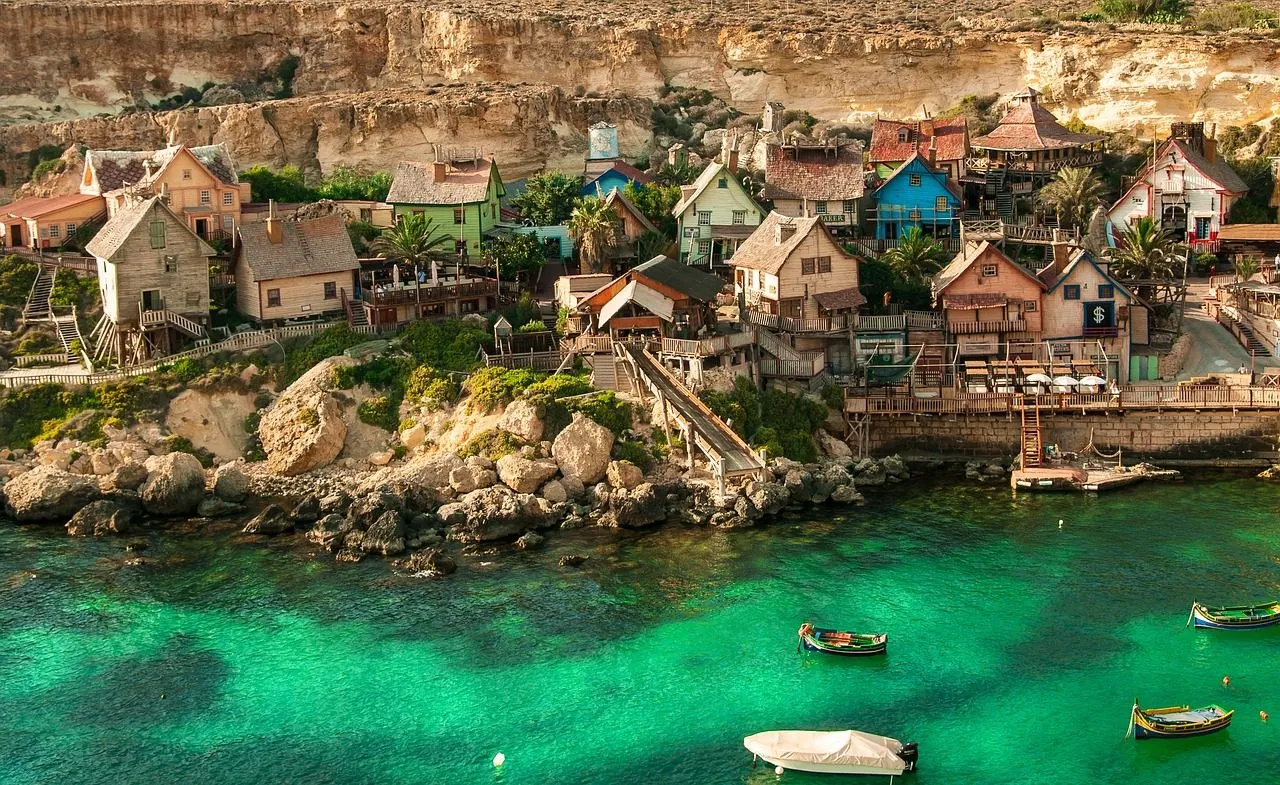
Depth6–34 m
A shore-accessible north-coast site with shallow reef routes used for training, plus the P29 and Rozi wrecks, which are deeper dives listed as Advanced. Suitability depends on the route you choose.
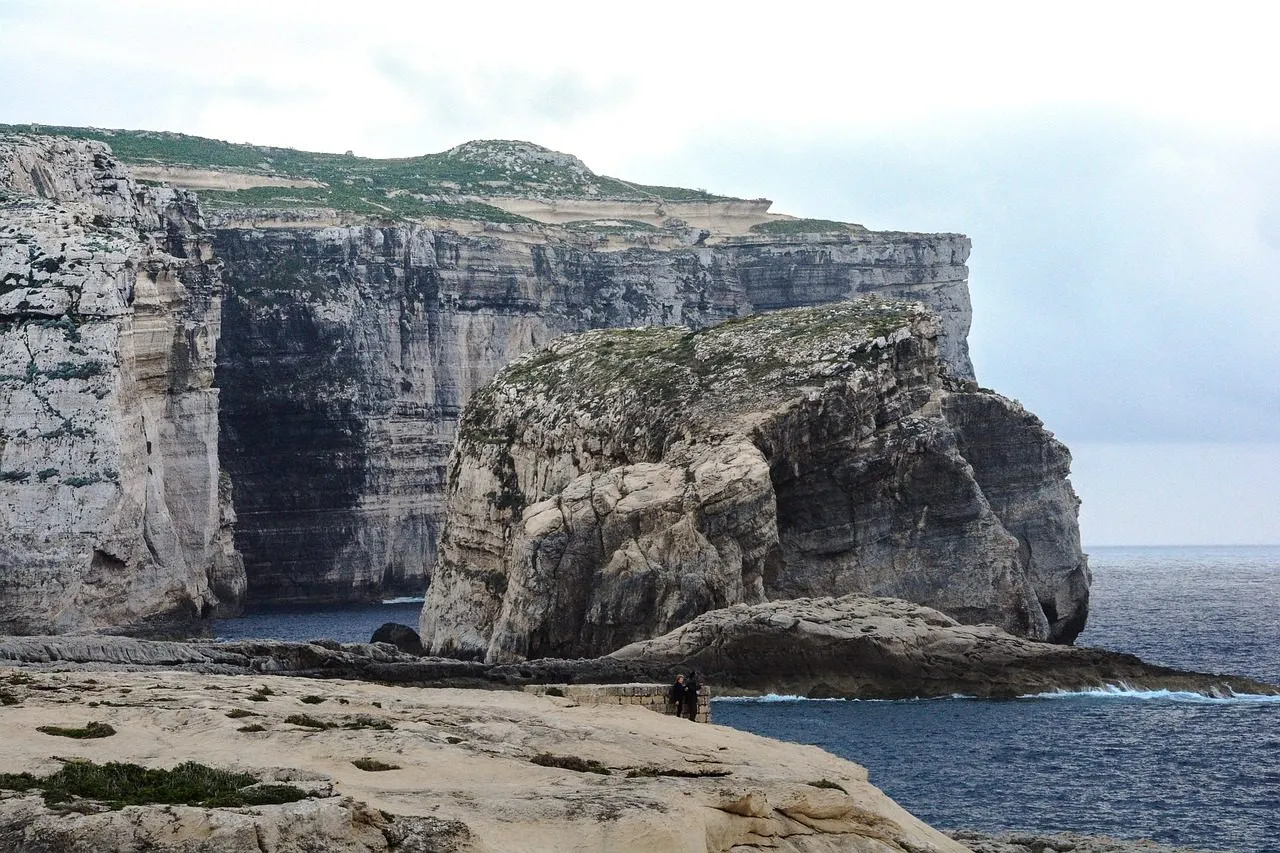
Depth6–25 m
A natural limestone sinkhole with several possible routes, next to the collapsed Azure Window site. Ask about the planned exit and any narrow or overhead sections.
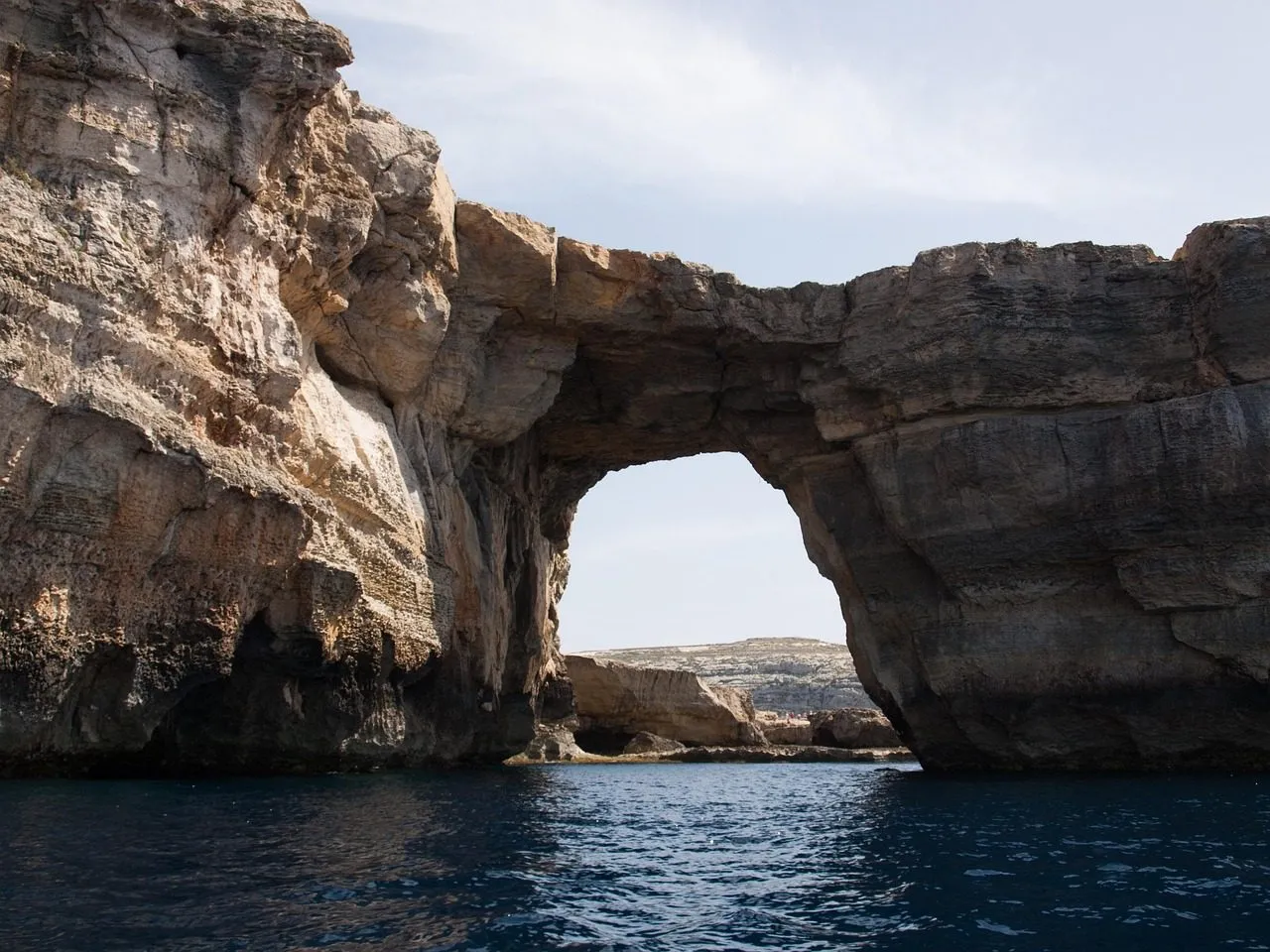
Depth9–16 m
A WWII Royal Navy destroyer wreck near the entrance to Marsamxett Harbour, broken up but historically significant, and one of Malta's shallowest wreck dives, from the shore. The rusted structure is weak, so this suits novices from the outside only.
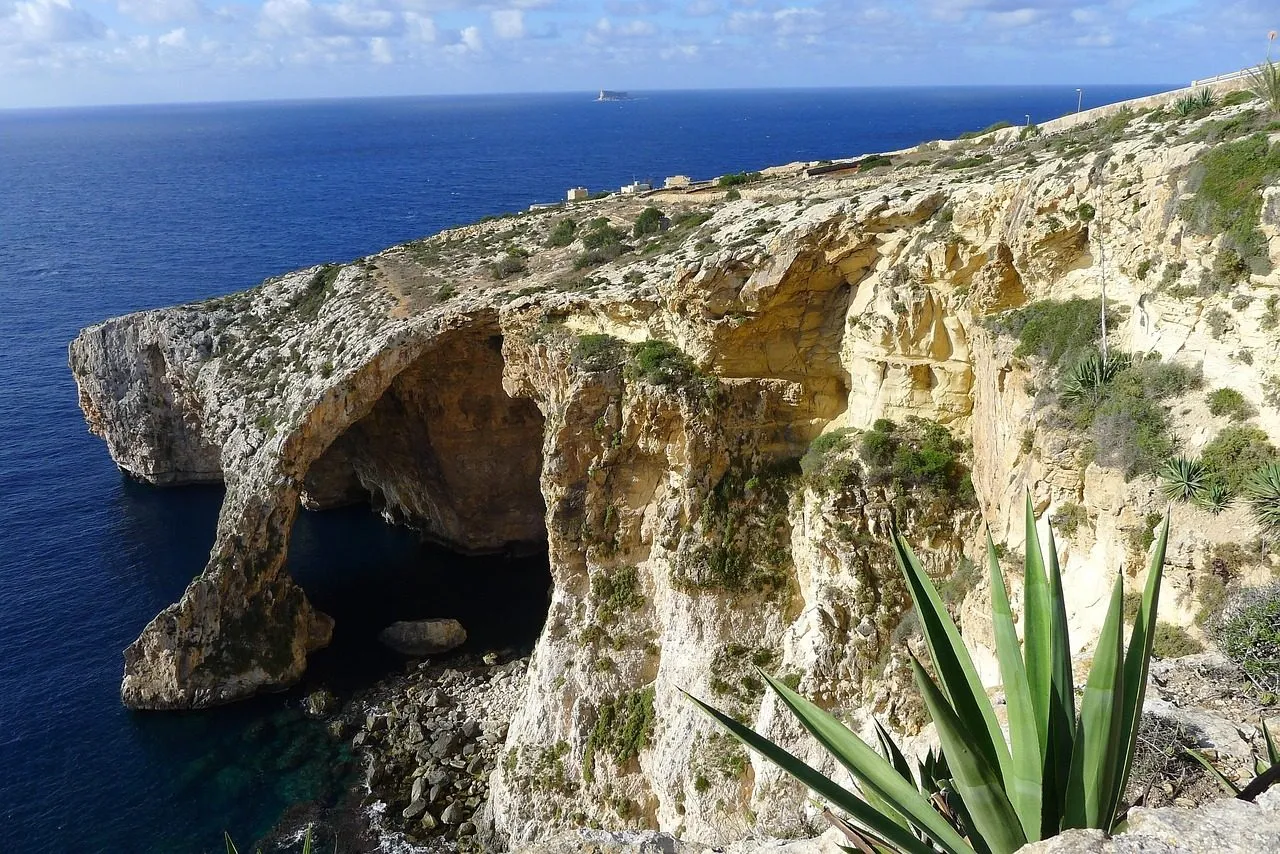
Depth5–10 m
Shallow caves and passages off Comino, reached by boat, close to the Blue Lagoon. Listed as a beginner site, but suitability depends on the route and sea conditions, so ask whether the dive includes overhead sections.
Malta International Airport (MLA) has frequent flights from across Europe. Gozo is reached from Malta by a short public ferry from Ċirkewwa (about 25 minutes, roughly €4.65 foot passenger, more with a car); a fast ferry for foot passengers also runs from Valletta.
Open Water minimum for most shore and reef sites. Deep wrecks like Um El Faroud are listed as Advanced dives, and going inside a wreck or cave is an overhead dive that needs its own training. Hyperbaric units are at Mater Dei Hospital (Malta) and Gozo General Hospital.
Malta has full tourist infrastructure -- an international airport, ATMs, supermarkets, hospitals and a dense concentration of dive shops around Sliema/St Julian's and St Paul's Bay. Gozo is quieter but still well set up for visiting divers.
Reliable mobile data and WiFi throughout both islands, on par with mainland Europe.
Hyperbaric units are at Mater Dei Hospital on Malta and Gozo General Hospital; in an emergency call 112. Most recreational sites are calm, current-light diving; the deeper wrecks and cavern sites are where shops brief more conservatively.
Jun-Sep is the busiest and warmest window; May and Oct offer a good balance of warm water and thinner crowds. Winter diving continues but with colder water (drysuit territory) and fewer boats running.
Conditions and operator availability change. Always verify locally before booking.
Malta & Gozo is rated "Intermediate". Open Water minimum for most shore and reef sites. Deep wrecks like Um El Faroud are listed as Advanced dives, and going inside a wreck or cave is an overhead dive that needs its own training. Hyperbaric units are at Mater Dei Hospital (Malta) and Gozo General Hospital.
The best months are May, Jun, Jul, Aug, Sep, Oct. Diveable year-round, but May-Oct is when the Mediterranean is warmest and calmest; winter diving is still done (drysuit territory for most divers, roughly 15-16°C) with fewer boats running and choppier surface conditions.
Divers come to Malta & Gozo for WWII and deliberately-sunk wrecks, Grouper & moray eels, Octopus & nudibranchs. Malta and Gozo are built around clear, current-light Mediterranean water and an unusually dense concentration of deliberately-sunk and wartime wrecks, plus dramatic limestone topography -- caves, arches, and the collapsed-arch site once known as the Azure Window. Fish life is modest by tropical standards; the draw here is visibility, wrecks and rock formations rather than marine-life density.
Guided dives and trips range from EUR 65 to EUR 900, based on operator prices verified 2026-09-16. Confirm current prices with the operator.