2015 01 Koh Lanta 27 entering cleaning station · CC BY 2.0 · source

Indonesia / West Papua

Raja Ampat

One of the last genuinely remote dive destinations accessible without a liveaboard. Raja Ampat is about stillness, natural beauty above and below water, and a near-complete absence of tourist infrastructure. Days revolve around dives, meals, and watching sunsets over karst islands. It requires real effort to get here, and rewards that effort completely.

Can I dive here?

Experience

Intermediate

Open Water minimum. Advanced OW recommended for current-heavy sites in the Dampier Strait. A Raja Ampat Marine Park entry permit (~1,000,000 IDR/person, ~$60 for 1 year) is required and purchased in Waisai. Nearest hyperbaric chamber is in Sorong, a boat journey away from most dive locations. Dive insurance with medevac is strongly recommended.

Conditions

Currents
variable
Depth range
3–40 m
Visibility
10–30 m
Water temp
27–30 °C

Current varies dramatically by site, some are gentle drift dives, others (Dampier Strait) can be serious. The sheer diversity of sites means every experience level finds something. Warm water year-round and mostly good visibility make this unusually accessible for its fame.

Season

JanFebMarAprMayJunJulAugSepOctNovDec

Best diving Oct–Apr (northwest monsoon season paradoxically brings calmer seas here). Peak clarity Oct–Nov and Feb–Apr. May–Sep can have choppier crossings and lower visibility. Christmas–New Year is popular but can bring short rain squalls.

Dive operators & products

Approximate conversions. Rates: 1 USD = 19,000 IDR · 1 EUR = 20,500 IDR · updated Jul 2026.

What will I see?

Raja Ampat contains the highest marine biodiversity on Earth, scientists have counted more fish species here than anywhere else in the ocean. A single dive can yield wobbegong sharks resting under table coral, walking sharks (epaulette sharks) on shallow reefs, dozens of nudibranch species, pygmy seahorses on sea fans, soft coral gardens in colours you won't believe, and schools of fish so dense they block the light. The diving here isn't about one headline animal, it's about the relentless, overwhelming abundance of everything.

Terrain

  • walls
  • pinnacles
  • coral gardens
  • slopes
  • muck
  • caves
  • shallow reefs
Walking sharks (epaulette sharks)
JFMAMJJASOND

Endemic to the Bird's Head region, found walking between rock pools on shallow reefs.

Wobbegong sharks
JFMAMJJASOND

Resident carpet sharks resting under table coral and on sandy bottoms. Excellent camouflage.

Pygmy seahorses
JFMAMJJASOND

Multiple species on sea fans. Bargibanti and Denise pygmy seahorses are the most sought-after.

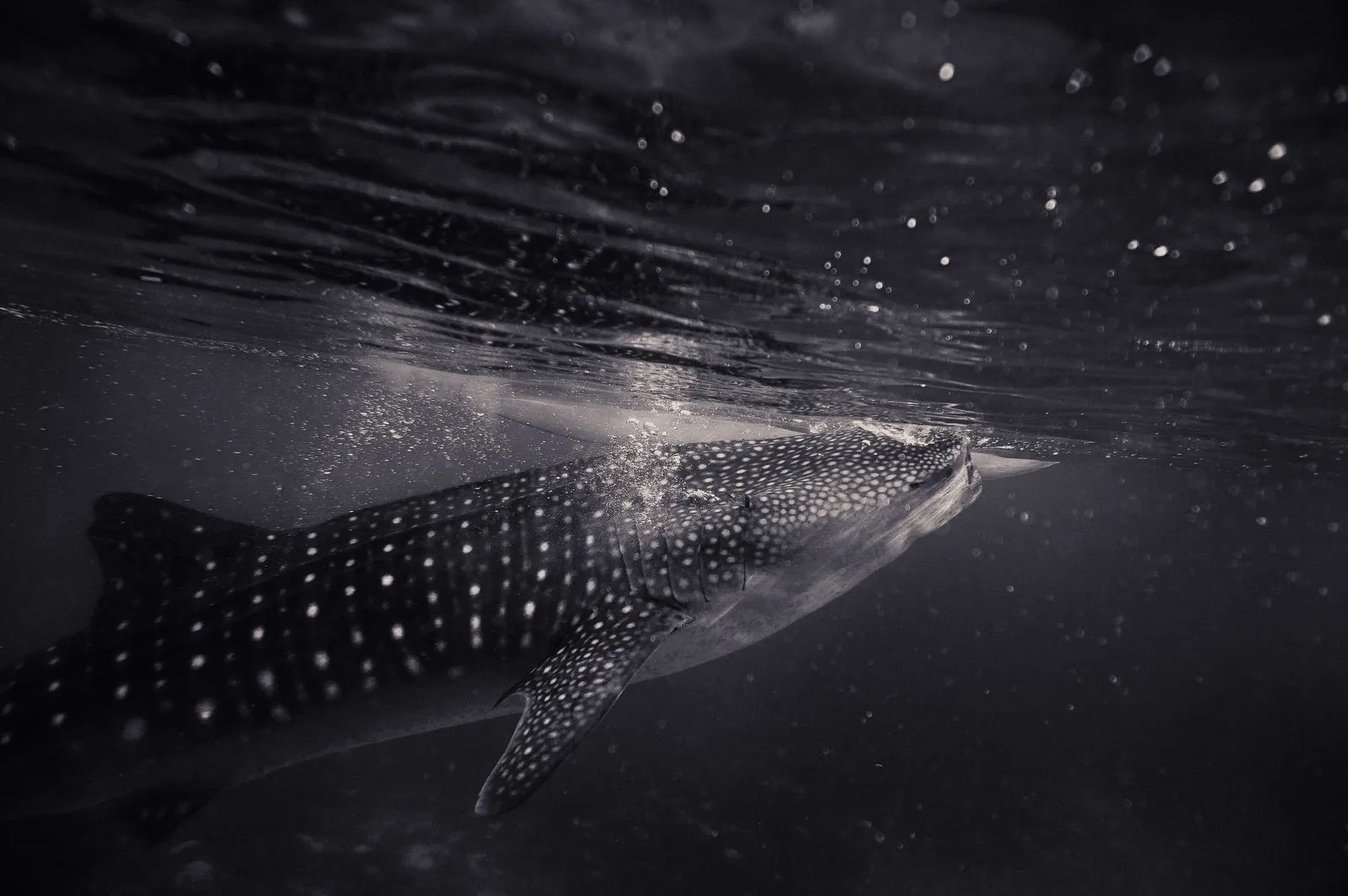
Whale sharks
JFMAMJJASOND

Occasional aggregations in Cenderawasih Bay (adjacent to Raja Ampat), day trips possible from some operators.

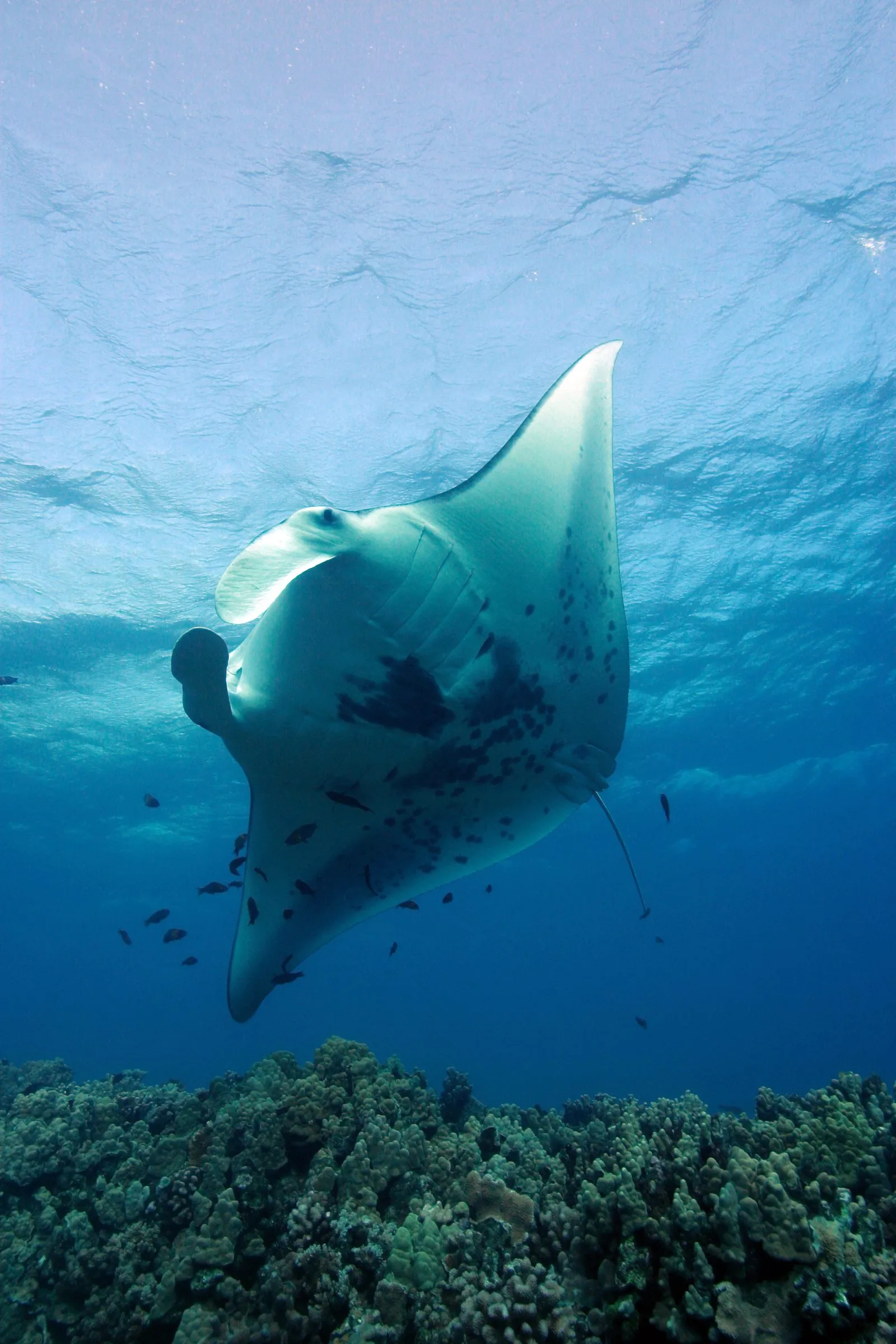
Manta rays
JFMAMJJASOND

Blue Magic and Manta Sandy are reliable manta cleaning and feeding stations.

Soft coral biodiversity
JFMAMJJASOND

Raja Ampat has more soft coral species than anywhere on Earth, every dive feels like looking through a kaleidoscope.

Reef fish density
JFMAMJJASOND

Top dive sites

Cape Kri

Intermediate

Depth5–40 m

Site of the world record reef fish count, 374 species on a single dive. Dense schooling fish, whitetip sharks, and the visual overload of Raja Ampat at its most intense.

  • world record reef fish diversity
  • whitetip sharks
  • schooling fish
  • pelagics

Manta Sandy

Intermediate

Depth5–25 m

Sandy-bottomed manta feeding station with reliable aggregations of reef and oceanic mantas. The soft coral backdrop makes it photogenic even without the mantas overhead.

  • reef mantas
  • oceanic mantas
  • feeding aggregation
  • soft coral

Melissa's Garden

Beginner-friendly

Depth3–18 m

Shallow coral garden often described as the world's most colourful reef, table coral, staghorn, and soft coral in extraordinary density. Calm and visually overwhelming.

  • soft coral density
  • table coral
  • reef fish
  • pygmy seahorse

Blue Magic

Intermediate

Depth5–30 m

Cleaning station site where mantas, batfish, and reef fish converge in the current. Plan your entry and exit carefully, current runs through the channel.

  • manta cleaning station
  • batfish
  • reef sharks
  • schooling fish

Friwen Wall

Beginner-friendly

Depth3–25 m

Gently sloping wall with pygmy seahorses on sea fans, nudibranchs, and a riot of reef fish. Calm, accessible, and extraordinary for macro photography.

  • pygmy seahorse
  • nudibranchs
  • sea fans
  • macro life
  • reef fish

Plan your trip

Getting there

Fly to Sorong (SOQ) in West Papua, connections via Jakarta, Makassar, or Manado. From Sorong, fast boat to Waisai (capital of Raja Ampat, ~2 hr) or direct resort/liveaboard transfer. Resort stays often include Sorong airport transfers. Allow a buffer day in Sorong, flight delays are common.

Minimum stay
5 nights (7+ recommended for resorts)
Book ahead
6–12 months ahead for peak season (Oct–Apr); premium liveaboards 1 year+

Certification & medical

Open Water minimum. Advanced OW recommended for current-heavy sites in the Dampier Strait. A Raja Ampat Marine Park entry permit (~1,000,000 IDR/person, ~$60 for 1 year) is required and purchased in Waisai. Nearest hyperbaric chamber is in Sorong, a boat journey away from most dive locations. Dive insurance with medevac is strongly recommended.

Infrastructure

Waisai (capital) has ATMs and a small market. Everywhere else, minimal infrastructure. Resorts are self-contained; bring cash from Sorong (ATMs available there). Power at resorts is usually generator-based with set hours; eco-resorts often use solar. No pharmacies outside Waisai. Mobile signal is Telkomsel-only and patchy outside the main island.

Connectivity

Genuinely disconnected. Telkomsel signal exists in Waisai; elsewhere expect nothing or very slow data. Resort WiFi exists but treat it as emergency-only, often satellite-based and data- capped. The disconnection is part of the appeal; most guests leave devices in their cabin.

Health & safety

The nearest recompression chamber is in Sorong, a 2–4 hour boat trip from most dive locations. Dive conservatively: multilevel profiles, conservative computer settings, no missed safety stops. Resorts carry oxygen and have evacuation protocols. Travel insurance with dive coverage and medevac evacuation is strongly recommended. Some sites have serious current - always dive with a guide who knows the site well.

Peak season

Oct–Apr is prime season; the absolute peaks (Christmas/New Year and Feb half-term) fill resorts 6–12 months ahead. May–Sep is quieter and cheaper but conditions can be choppy. Liveaboard departures in prime season book out extremely fast, contact operators directly, not just through booking platforms. The Marine Park permit must be bought in Waisai before you dive; build this into your first day.

Conditions and operator availability change. Always verify locally before booking.

Common questions about Raja Ampat

Is Raja Ampat suitable for beginner divers?

Raja Ampat is rated "Intermediate". Open Water minimum. Advanced OW recommended for current-heavy sites in the Dampier Strait. A Raja Ampat Marine Park entry permit (~1,000,000 IDR/person, ~$60 for 1 year) is required and purchased in Waisai. Nearest hyperbaric chamber is in Sorong, a boat journey away from most dive locations. Dive insurance with medevac is strongly recommended.

When is the best time to dive Raja Ampat?

The best months are Oct, Nov, Dec, Jan, Feb, Mar, Apr. Best diving Oct–Apr (northwest monsoon season paradoxically brings calmer seas here). Peak clarity Oct–Nov and Feb–Apr. May–Sep can have choppier crossings and lower visibility. Christmas–New Year is popular but can bring short rain squalls.

What can you see diving in Raja Ampat?

Divers come to Raja Ampat for Walking sharks (epaulette sharks), Wobbegong sharks, Pygmy seahorses, Whale sharks, Manta rays, Soft coral biodiversity, Reef fish density. Current varies dramatically by site, some are gentle drift dives, others (Dampier Strait) can be serious. The sheer diversity of sites means every experience level finds something. Warm water year-round and mostly good visibility make this unusually accessible for its fame.

How much does diving in Raja Ampat cost?

Guided dives and trips range from IDR 600,000; USD 1,849 to USD 8,459, based on operator prices verified 2026-06-24. Confirm current prices with the operator.