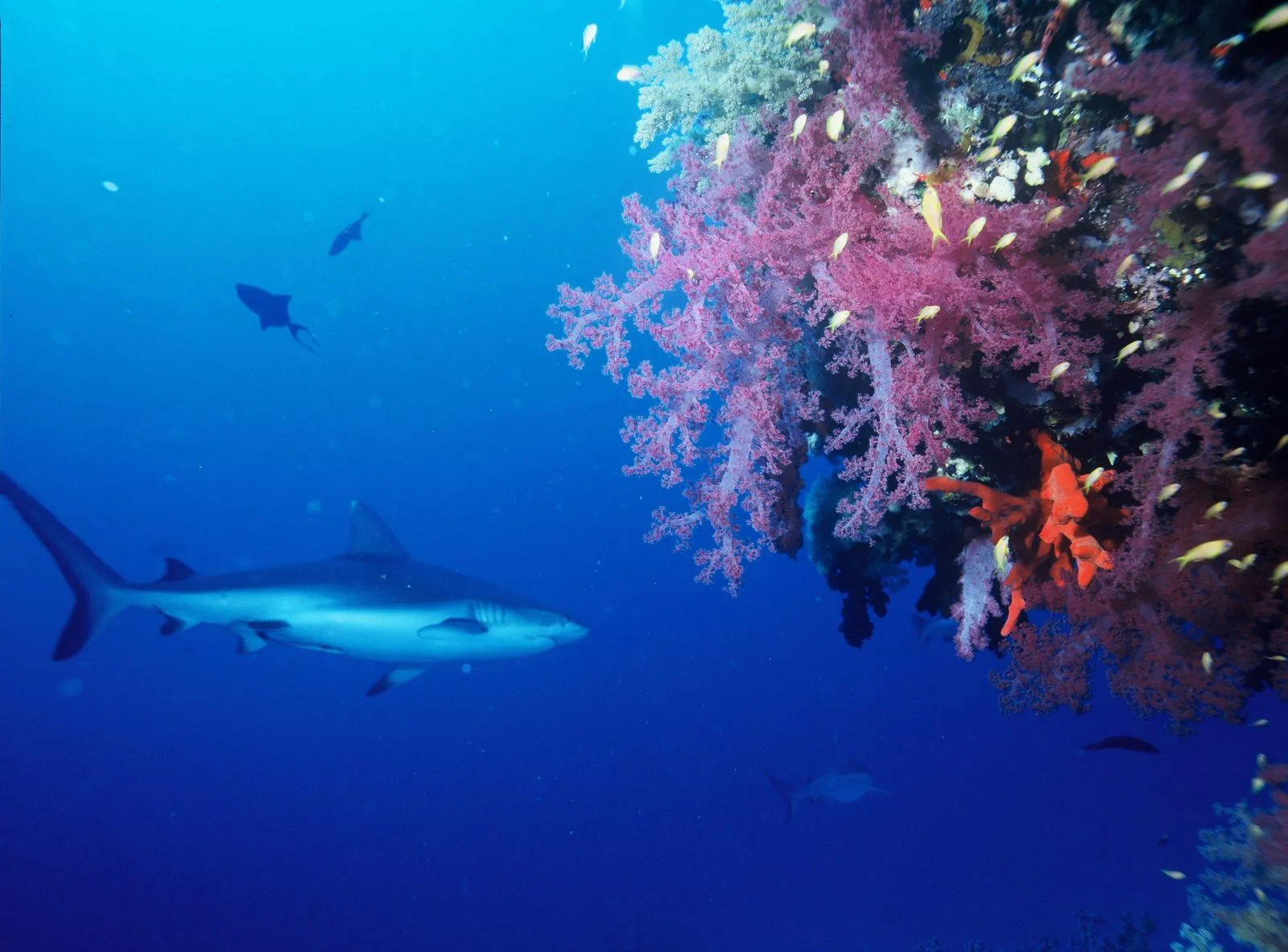
22298 · Pixabay Content License · source

Maldives / Indian Ocean

Maldives

The ultimate expression of "nothing else to do but dive and relax." Resort islands are small, flat, and entirely self-contained, turquoise water in every direction, overwater bungalow, house reef off the jetty. The Maldives sells escapism and delivers it. Local island guesthouses offer a budget entry point with a glimpse of real Maldivian life - but no alcohol and beach dress codes make the experience quite different.

Can I dive here?

Experience

Intermediate

Open Water minimum. Advanced OW strongly recommended for channel dives, currents can be strong and shift fast. Nearest hyperbaric chamber is in Malé (Indira Gandhi Memorial Hospital). Remote resort locations make evacuation slow, dive conservatively and ensure your insurance includes dive coverage and medevac.

Conditions

Currents
strong
Depth range
5–40 m
Visibility
15–40 m
Water temp
27–30 °C

Kandu (channel) diving means riding tidal currents that flood and ebb between atolls - this is how nutrients arrive and why animals aggregate here. Currents can be strong and shift quickly. Thilas (underwater pinnacles) offer sheltered sections in any condition. Water is warm year-round; visibility is outstanding on most dives.

Season

JanFebMarAprMayJunJulAugSepOctNovDec

Two seasons, two different Maldives. Northeast monsoon (Nov–Apr): calmer seas, clearer water on most atolls, the classic window. Southwest monsoon (May–Oct): rougher on some atolls, but this is when mantas aggregate at Hanifaru Bay in extraordinary numbers and whale sharks are active off South Ari. The right season depends on what you want to see.

What will I see?

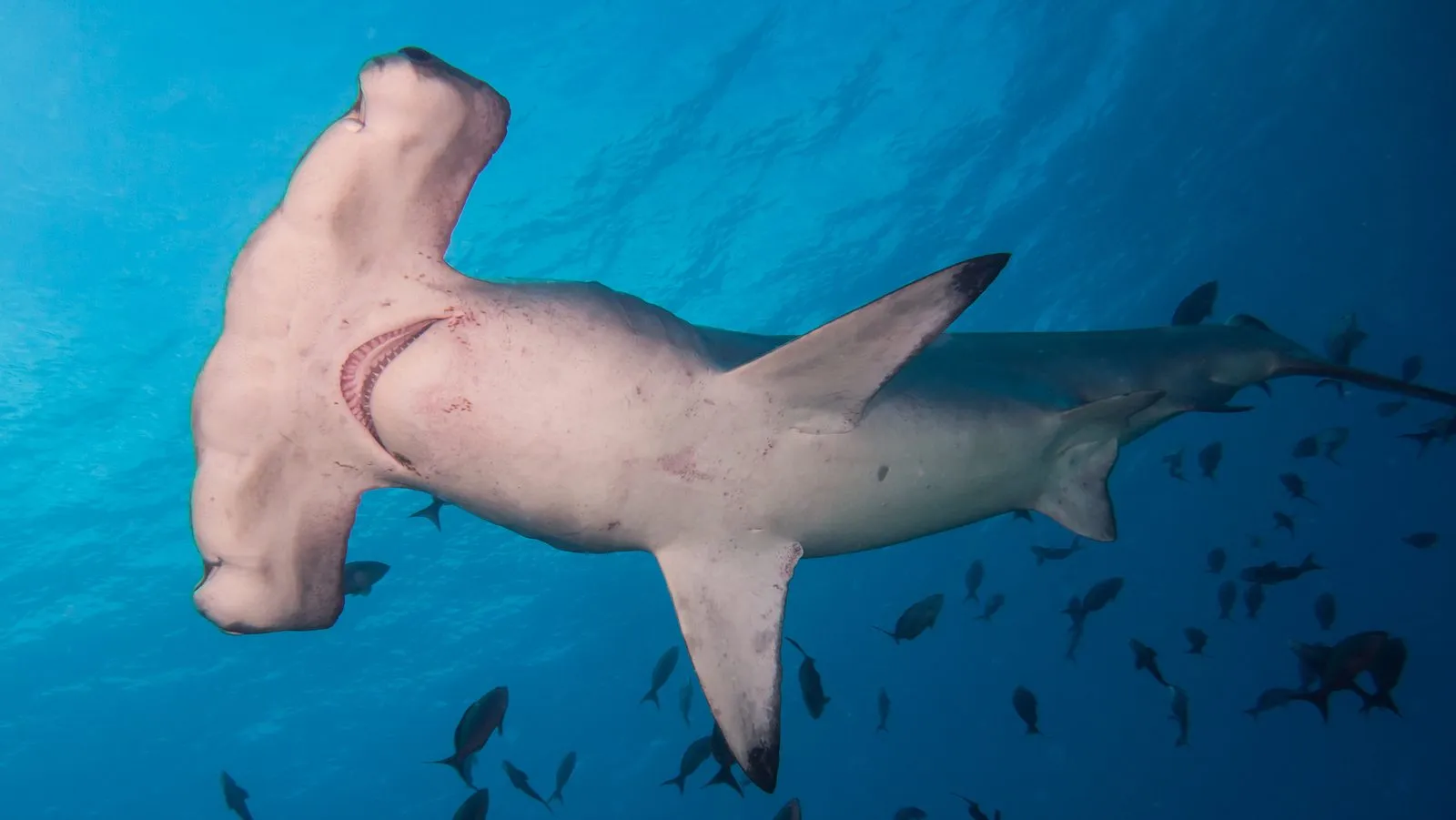
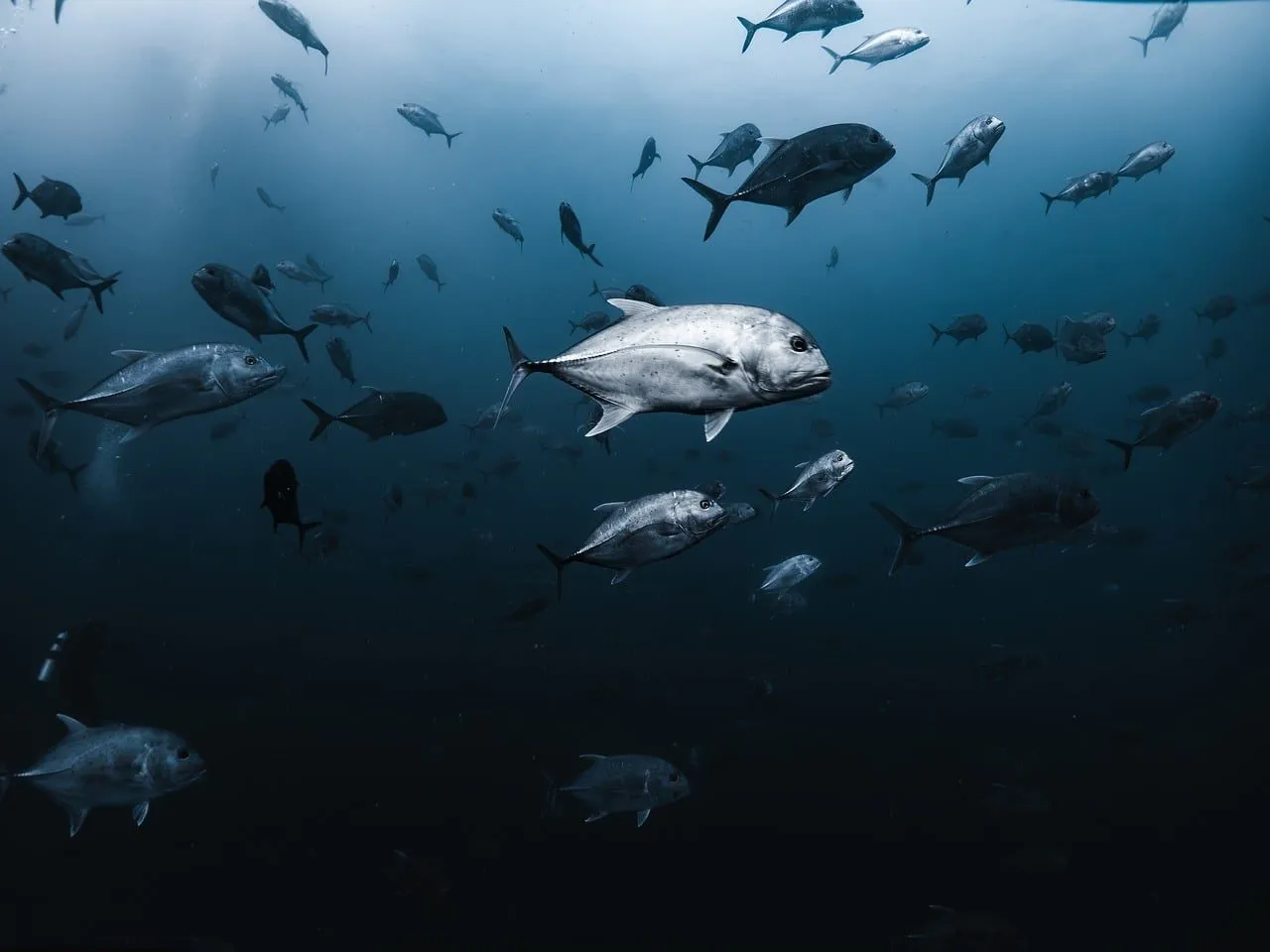
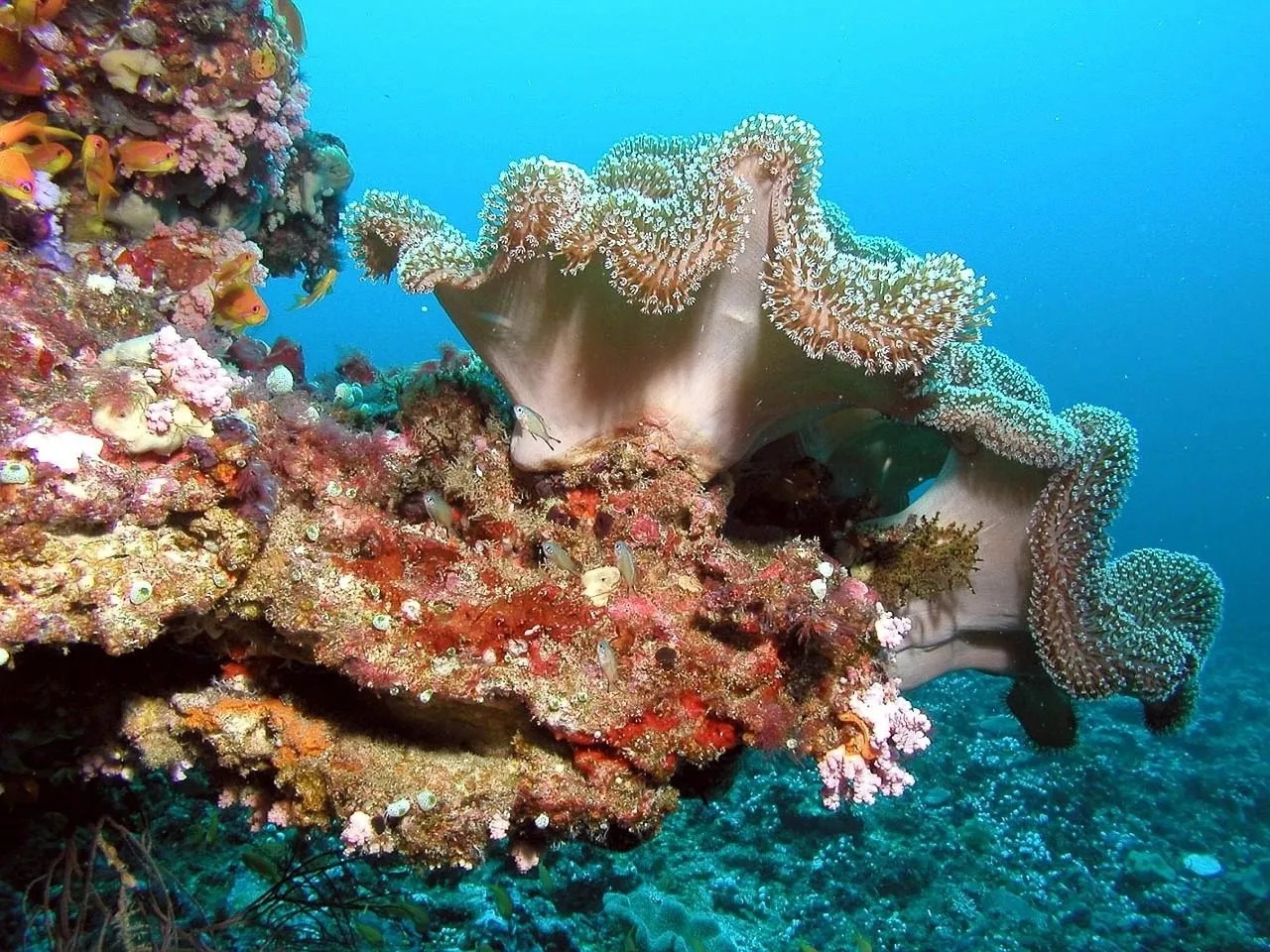
The Maldives sits at the convergence of two Indian Ocean current systems, and the resulting nutrient upwellings attract pelagic animals at a scale few places match. Whale sharks appear at South Ari Atoll year-round in the largest recorded concentrations on Earth. Mantas feed in the hundreds at Hanifaru Bay in season. Hammerheads school at Rasdhoo Atoll at dawn. On the thilas, reef communities are lush: schools of fusilier, reef sharks patrolling the blue, Napoleon wrasse, and, for macro divers, nudibranchs, frogfish, and ghost pipefish in every coral head.

Terrain

  • channels (kandus)
  • pinnacles (thilas)
  • walls
  • overhangs
  • coral gardens
  • sandy slopes
Whale sharks
JFMAMJJASOND

South Ari Atoll has the world's largest year-round aggregation, multiple animals per dive is common.

Reef & oceanic mantas
JFMAMJJASOND

Hanifaru Bay (Baa Atoll UNESCO Biosphere Reserve) hosts feeding aggregations of hundreds of mantas in season.

Scalloped hammerheads
JFMAMJJASOND

Rasdhoo Atoll early morning deep dives, schools of 20–50 not uncommon.

Grey reef sharks
JFMAMJJASOND

Resident in most channel dives, patrolling on the outer reef faces in the current.

Napoleon wrasse & reef fish density
JFMAMJJASOND

Thilas have extraordinary density, schooling snapper, ghost pipefish, nudibranchs.

Top dive sites

Grey reef shark while diving in Maldives

Transferred from nl.wikipedia to Commons. · Public domain · source

South Ari Whale Shark Point

Beginner-friendly

Depth5–30 m

Year-round whale shark aggregation in South Ari Marine Protected Area. Multiple individual sharks at any visit; most encounters at 5–15 m in open blue water.

  • whale sharks
  • year-round aggregation
  • open blue water
  • reef fish
Scalloped hammerhead while diving in Maldives

Imported from 500px (archived version) by the Archive Team. (detail page) · CC BY 3.0 · source

Hanifaru Bay

Beginner-friendly

Depth3–15 m

UNESCO-protected bay in Baa Atoll where mantas gather in the hundreds to feed on plankton blooms. Snorkel-only inside the bay, spectacle is accessible from the surface.

  • manta feeding frenzy
  • hundreds of mantas simultaneously
  • plankton bloom
  • UNESCO
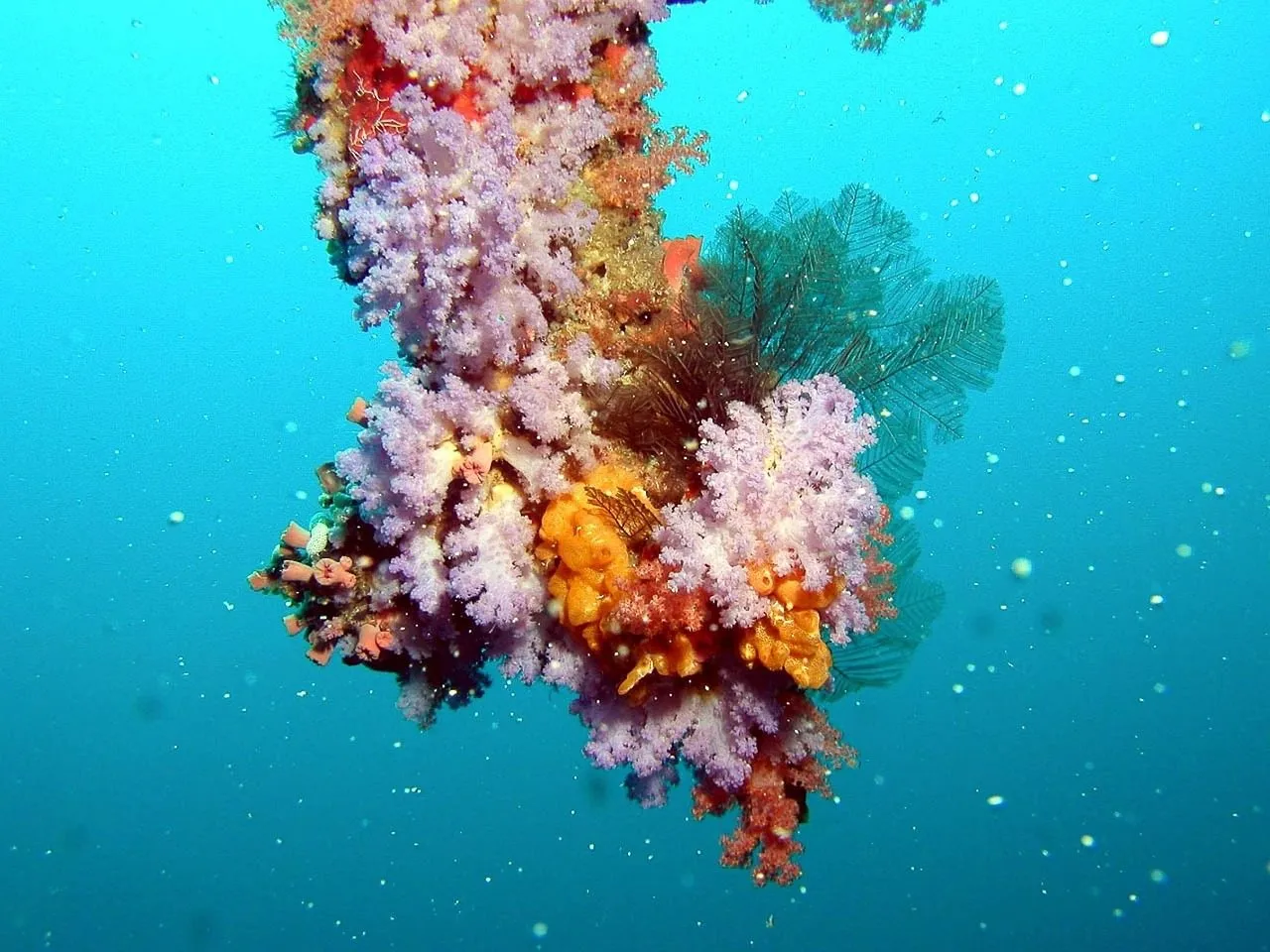
Underwater reef in Maldives

Franziska_Stier · Pixabay Content License · source

Rasdhoo Hammerhead Point

Advanced only

Depth30–40 m

Pre-dawn deep dive on the outer wall of Rasdhoo Atoll to intercept schooling scalloped hammerheads before sunrise. Cold, deep, and extraordinary.

  • scalloped hammerheads
  • schooling sharks
  • deep wall
  • early morning dive
Scuba diving in Maldives

giusti596 · Pixabay Content License · source

Lankan Thila (Manta Point)

Intermediate

Depth10–30 m

Reliable year-round manta cleaning station on a thila in North Malé Atoll. Mantas circle the cleaning stations in the current, multiple animals, close approaches.

  • manta cleaning station
  • year-round
  • thila diving
  • grey reef sharks
Scuba diving in Maldives

giusti596 · Pixabay Content License · source

Fish Head (Mushimasmingali Thila)

Intermediate

Depth10–30 m

One of the Maldives' most famous thilas, grey reef sharks in the blue, enormous schools of snapper and fusilier, and overhangs sheltering nurse sharks and Napoleon wrasse.

  • grey reef sharks
  • schooling snapper
  • nurse sharks
  • Napoleon wrasse
  • fish density

Plan your trip

Getting there

Fly to Velana International Airport (MLE), Malé, hub with connections from Dubai, Singapore, Colombo, Doha, and direct flights from Europe. From Malé: speedboat (30–90 min for most mid-range resorts) or seaplane (15–45 min for remote islands, daylight only, so late arrivals mean a Malé overnight). Liveaboards depart from Malé harbour.

Minimum stay
5 nights (7+ for liveaboards)
Book ahead
3–6 months ahead; premium resorts and liveaboards 6–12 months for Dec–Apr

Certification & medical

Open Water minimum. Advanced OW strongly recommended for channel dives, currents can be strong and shift fast. Nearest hyperbaric chamber is in Malé (Indira Gandhi Memorial Hospital). Remote resort locations make evacuation slow, dive conservatively and ensure your insurance includes dive coverage and medevac.

Infrastructure

Resort islands are entirely self-contained, everything from spa to dive centre on-site, but nothing else. The nearest town, shop, or ATM may be a speedboat trip away. Local islands have small shops and basic infrastructure. Malé has full city amenities. Bring specialist dive equipment from home; rental quality varies significantly between resorts.

Connectivity

Resort WiFi ranges from fast (newer luxury resorts) to unreliable (remote older islands). Dhiraagu and Ooredoo SIMs work across inhabited islands. Remote liveaboard routes may have satellite-only connectivity. Budget mentally for potential disconnection.

Health & safety

Hyperbaric chamber is in Malé, evacuation from remote atolls by speedboat or seaplane takes 1–4 hours. Dive conservatively. The pull of whale sharks and mantas can tempt divers to ignore depth and time limits; a conservative computer profile is non-negotiable here. Medevac cover in your dive insurance is essential, not optional.

Peak season

Dec–Apr fills the best resorts and liveaboard departures fast, particularly Christmas/New Year and February half-term. Book 6–12 months ahead for premium vessels and water bungalows. Shoulder months (Nov, May) offer similar diving with lower prices and easier availability. Manta season (Jun–Oct) at Baa Atoll books up independently, target the Hanifaru-adjacent resort or liveaboard route specifically.

Conditions and operator availability change. Always verify locally before booking.

Common questions about Maldives

Is Maldives suitable for beginner divers?

Maldives is rated "Intermediate". Open Water minimum. Advanced OW strongly recommended for channel dives, currents can be strong and shift fast. Nearest hyperbaric chamber is in Malé (Indira Gandhi Memorial Hospital). Remote resort locations make evacuation slow, dive conservatively and ensure your insurance includes dive coverage and medevac.

When is the best time to dive Maldives?

The best months are Nov, Dec, Jan, Feb, Mar, Apr. Two seasons, two different Maldives. Northeast monsoon (Nov–Apr): calmer seas, clearer water on most atolls, the classic window. Southwest monsoon (May–Oct): rougher on some atolls, but this is when mantas aggregate at Hanifaru Bay in extraordinary numbers and whale sharks are active off South Ari. The right season depends on what you want to see.

What can you see diving in Maldives?

Divers come to Maldives for Whale sharks, Reef & oceanic mantas, Scalloped hammerheads, Grey reef sharks, Napoleon wrasse & reef fish density. Kandu (channel) diving means riding tidal currents that flood and ebb between atolls - this is how nutrients arrive and why animals aggregate here. Currents can be strong and shift quickly. Thilas (underwater pinnacles) offer sheltered sections in any condition. Water is warm year-round; visibility is outstanding on most dives.