A day at the spa · CC BY 2.0 · source

Indonesia / West Lombok

Gili Islands

Three islands, three personalities. Gili Trawangan is the classic backpacker-meets-party scene Beach bars, a thriving dive industry, and an international crowd that stays up late. Gili Air is calmer, with a mix of couples and serious divers and a good food scene. Gili Meno is the honeymooner island, quiet, few facilities, pure beach. Pick your island before you book.

Can I dive here?

Experience

Beginner-friendly

Open Water minimum. The Gili Islands are one of Indonesia's most popular learn-to-dive destinations. PADI Open Water courses are widely available and competitively priced. No special certification needed for any standard site. Nearest hyperbaric chamber is in Bali (Sanglah Hospital) or Mataram (Lombok), both require a boat transfer.

Conditions

Currents
moderate
Depth range
5–30 m
Visibility
10–25 m
Water temp
26–30 °C

Generally mild to moderate currents; some sites between the islands can run strong. Warm, clear water and well-established dive schools make this one of Indonesia's most accessible destinations for new and returning divers.

Season

JanFebMarAprMayJunJulAugSepOctNovDec

Diveable year-round; best visibility and calmest seas May–Oct (dry season). Nov–Mar (wet season) brings some reduced visibility but diving continues, water is warm and flat enough for most sites.

Dive operators & products

Approximate conversions. Rates: 1 USD = 19,000 IDR · 1 EUR = 20,500 IDR · updated Jul 2026.

What will I see?

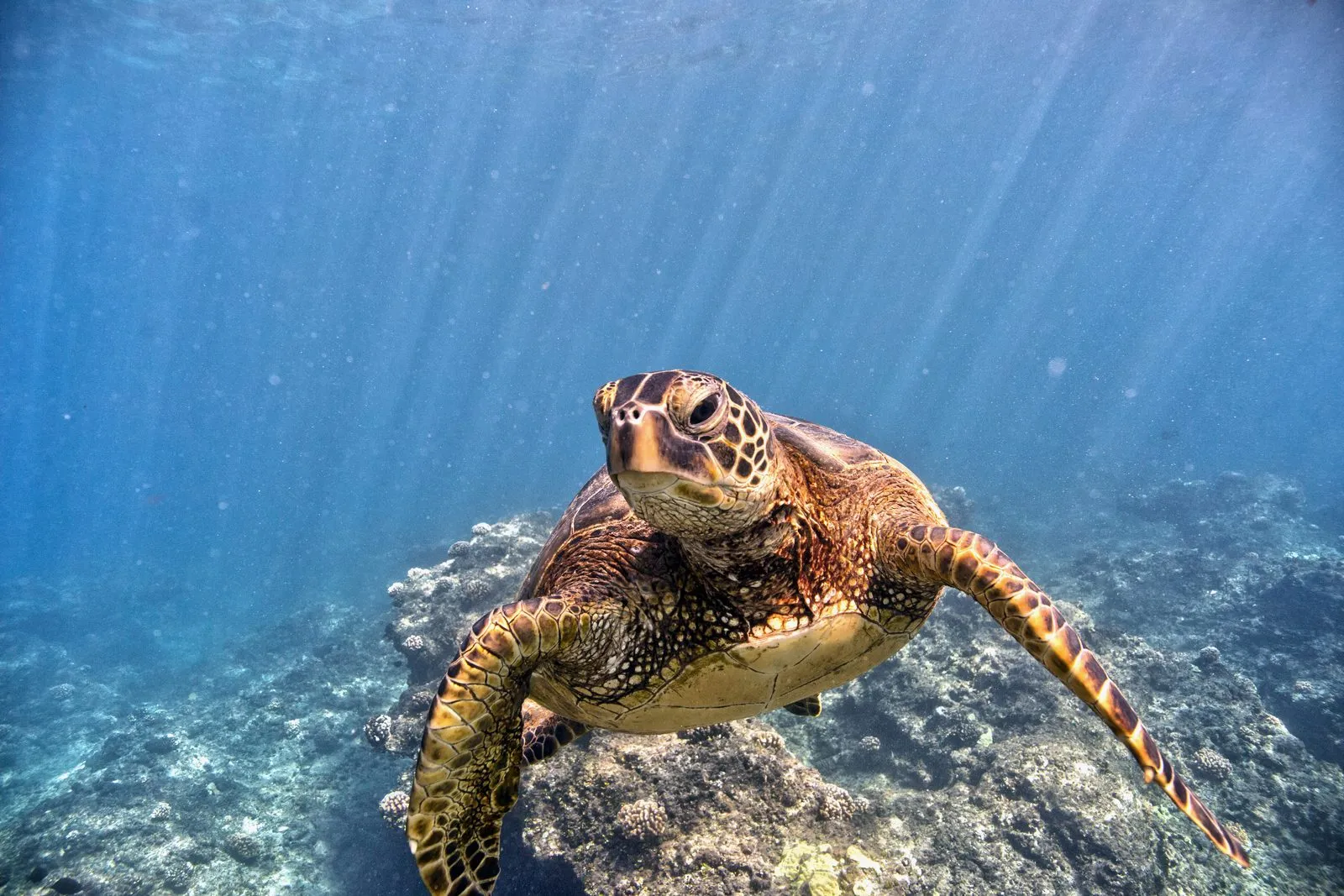
The Gili Islands are famous for two things: turtles and easy, enjoyable reef diving. Green and hawksbill turtles are practically resident at many sites, they rest on coral heads, ignore divers, and make every dive feel special even at 8 m. The islands also have a WWII wreck, healthy coral gardens, and a population of reef sharks that show up reliably at Shark Point. Not a big-pelagic destination, but one of the friendliest and most consistent diving experiences in Indonesia.

Terrain

  • coral gardens
  • slopes
  • walls
  • sandy bottom
  • wreck
Green & hawksbill turtles
JFMAMJJASOND

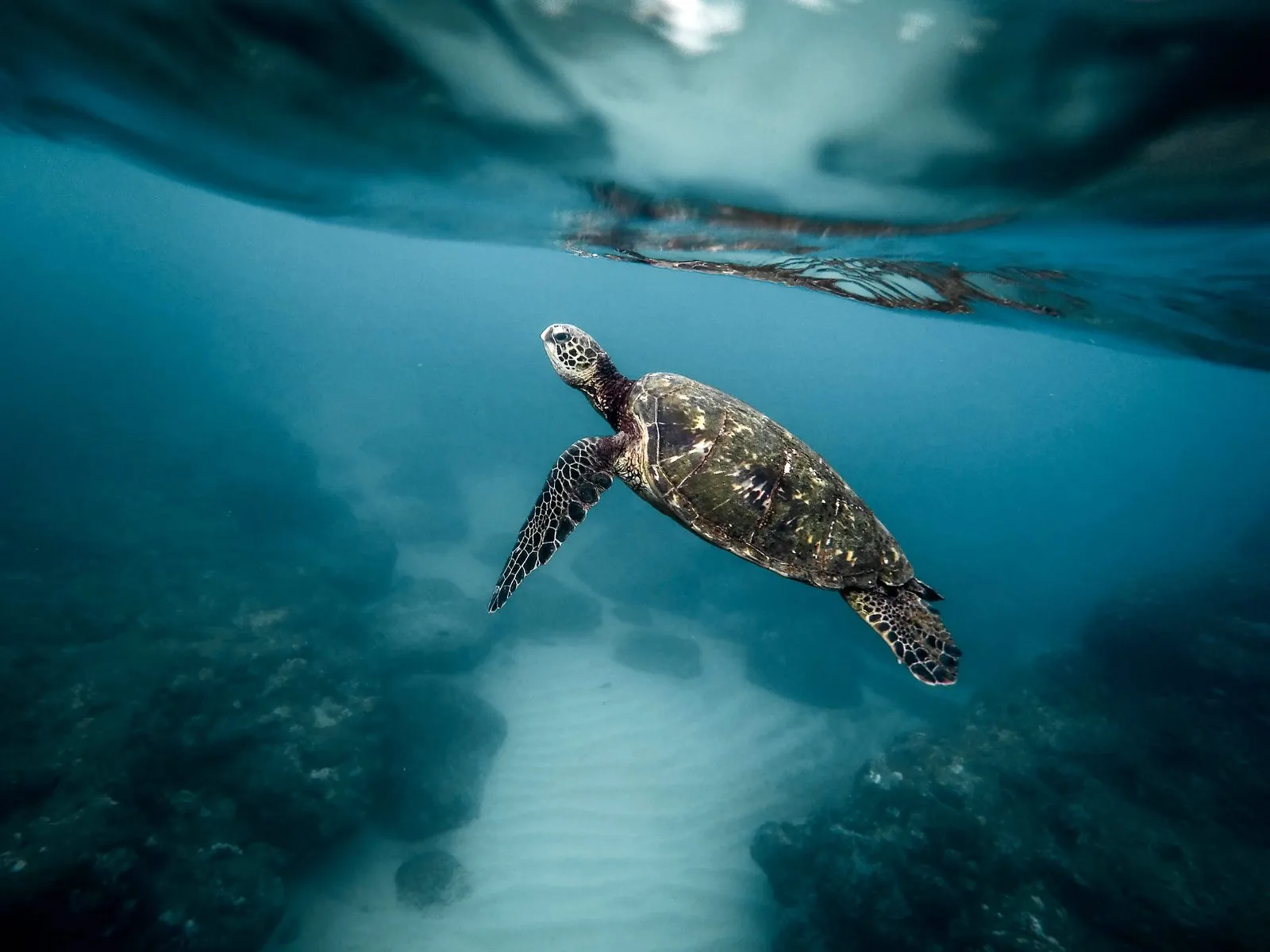
Near-guaranteed at Turtle Heaven, Bounty Wreck, and multiple sites around Gili T and Air.

Reef sharks (whitetip & blacktip)
JFMAMJJASOND

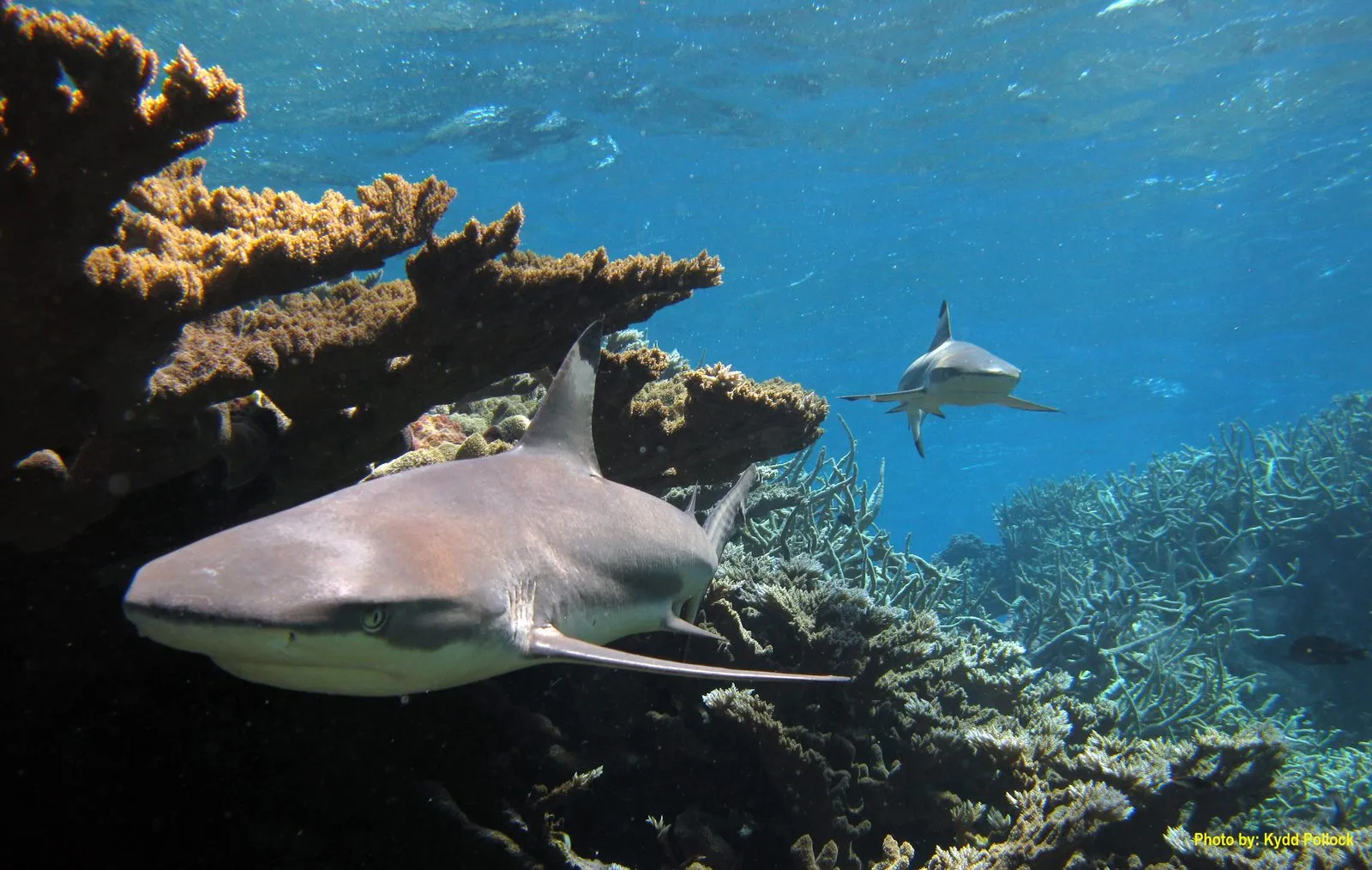
Shark Point between Gili T and Gili Meno hosts resident whitetip and blacktip reef sharks.

WWII wreck
JFMAMJJASOND

Hairo wreck sits at 18–22 m, encrusted in coral, accessible to intermediate divers.

Coral gardens & macro
JFMAMJJASOND

Seahorses, nudibranchs, and frogfish reward slow, observant divers.

Reef fish diversity
JFMAMJJASOND

Top dive sites

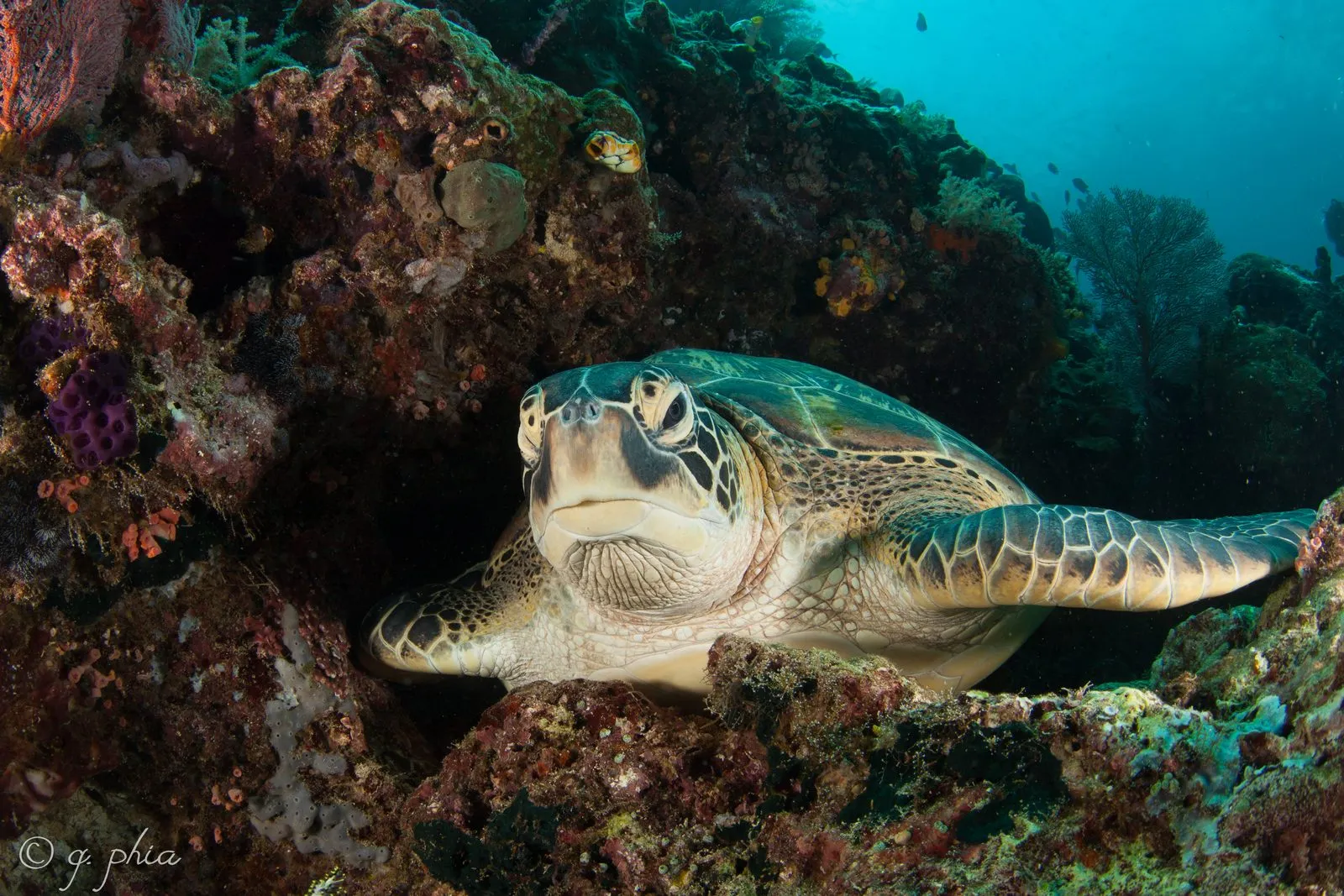
Green turtle while diving in Gili Islands

Imported from 500px (archived version) by the Archive Team. (detail page) · CC BY 3.0 · source

Turtle Heaven

Beginner-friendly

Depth5–18 m

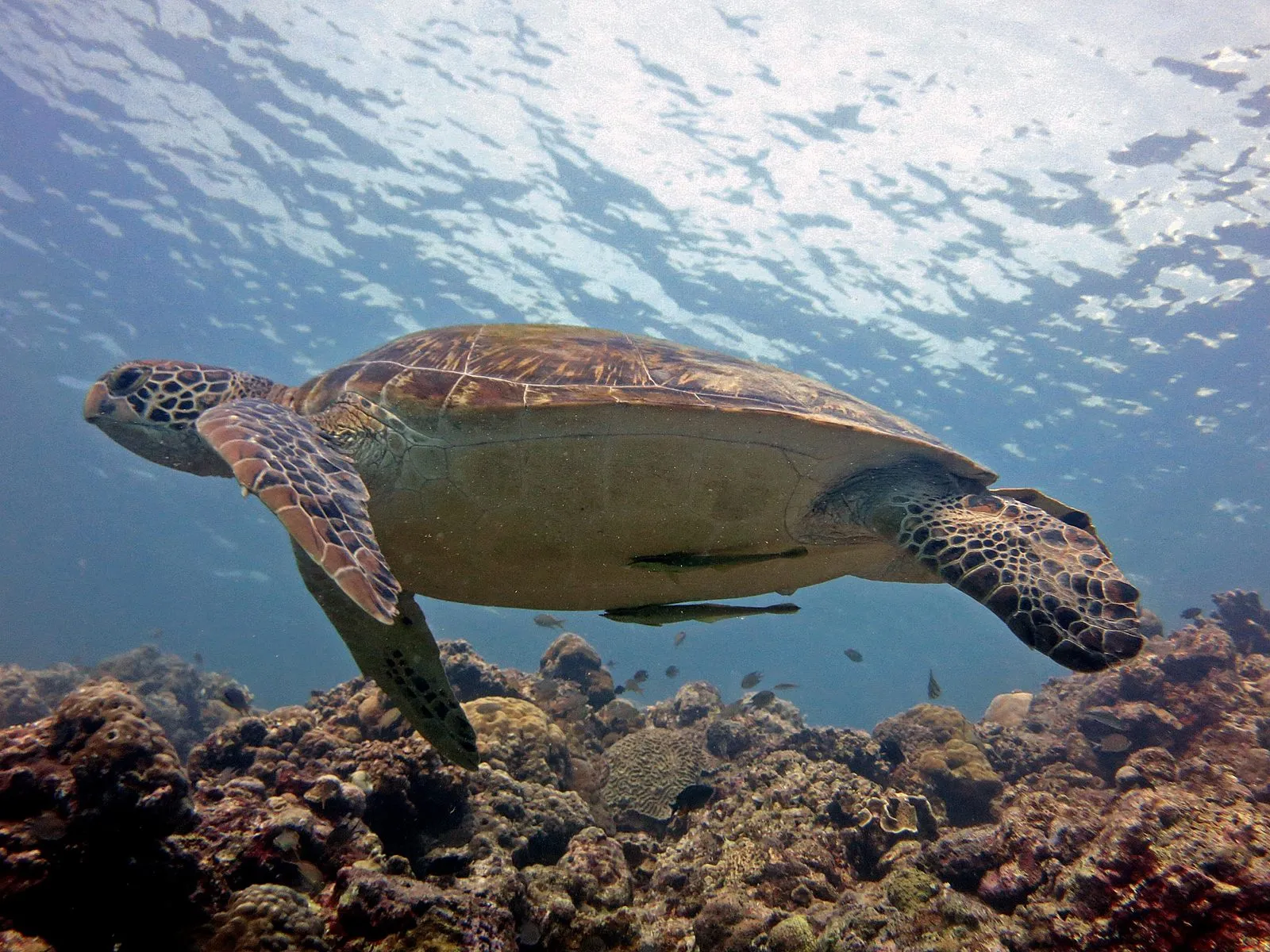
Shallow reef with multiple resident turtles resting and grazing on coral. One of the most reliable turtle encounters in Indonesia, calm and accessible.

  • green turtles
  • hawksbill turtles
  • coral gardens
  • reef fish
Green turtle while diving in Gili Islands

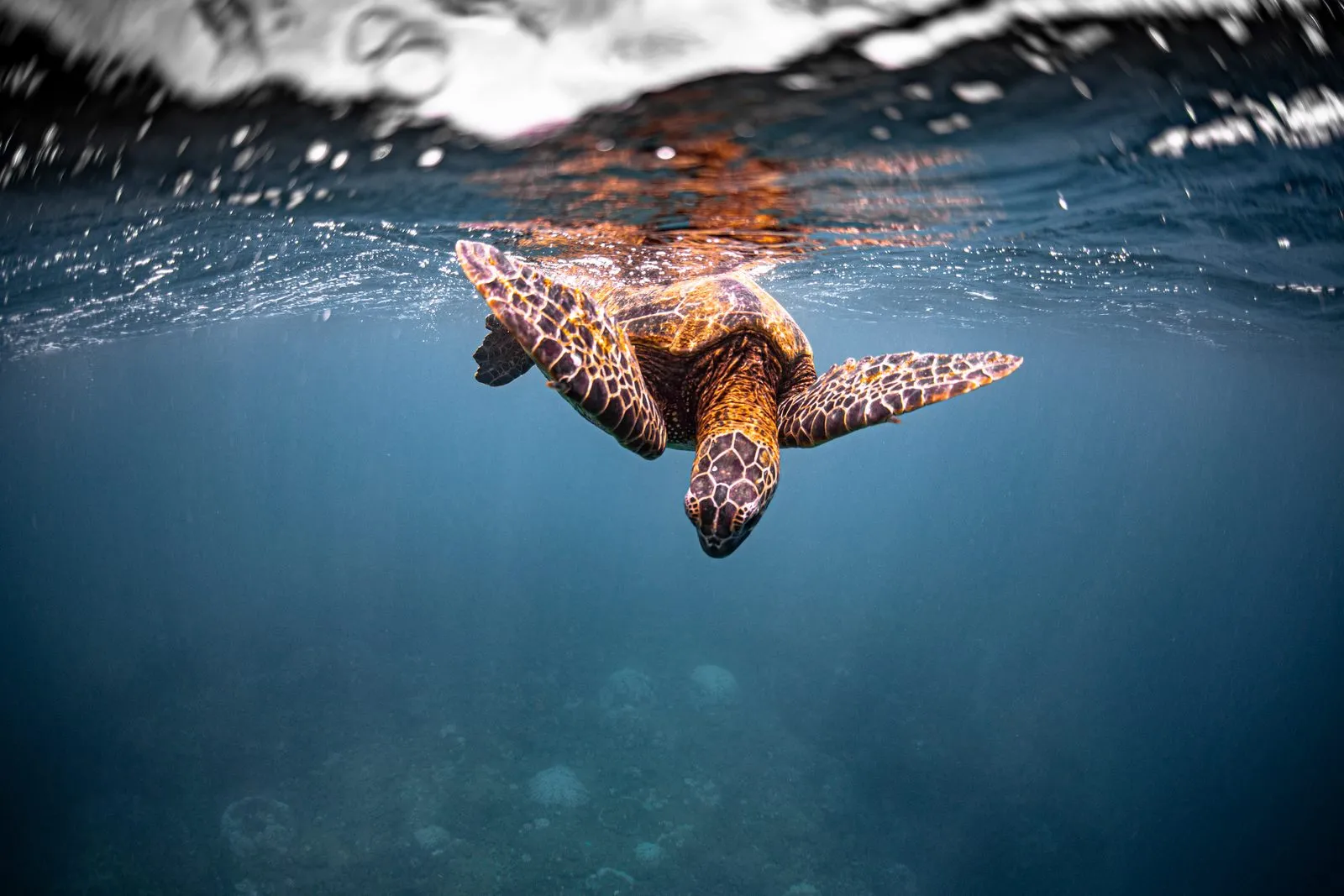
green turtle 4 lekuan 1, siladen, indonesia · CC BY 2.0 · source

Shark Point

Intermediate

Depth8–25 m

Channel site between Gili T and Meno with resident reef sharks often resting on the sandy bottom. Calm conditions make this a relaxed, approachable shark dive.

  • whitetip reef sharks
  • blacktip reef sharks
  • sandy bottom
  • coral outcrops
Green turtle while diving in Gili Islands

HIHWNMS Sea turtle · Public domain · source

Hairo Wreck

Intermediate

Depth18–22 m

Japanese WWII cargo wreck covered in coral, home to moray eels, lionfish, and glassfish schools. Optional penetration sections for those comfortable with wreck diving.

  • WWII wreck
  • coral-encrusted hull
  • glassfish schools
  • moray eels
  • lionfish
Green turtle while diving in Gili Islands

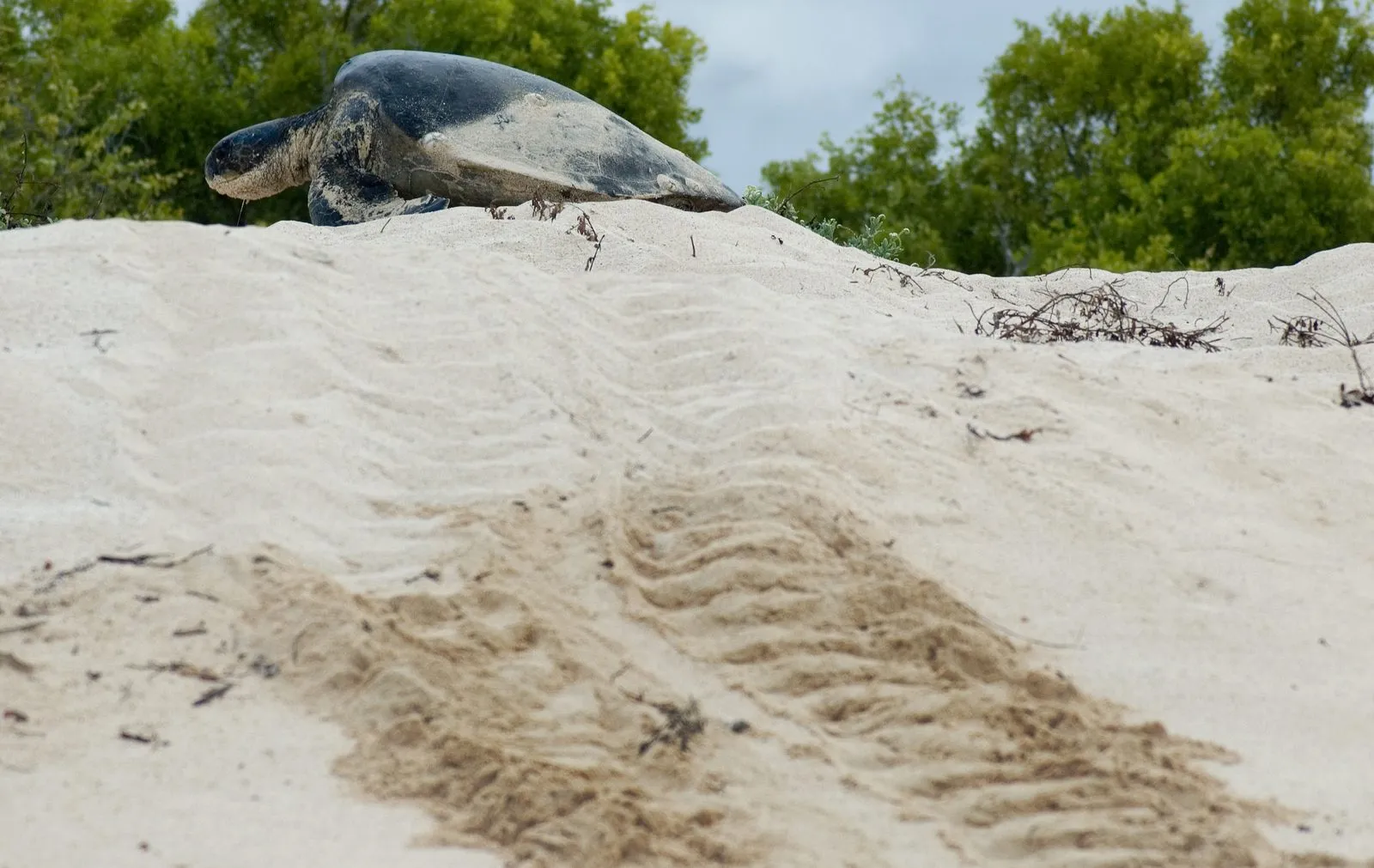
Green sea turtle laying eggs Uploaded by Magnus Manske · CC BY 2.0 · source

Meno Wall

Beginner-friendly

Depth5–20 m

Gently sloping wall around Gili Meno with sea fans, soft coral, and resident turtles. Best combined with a Gili Meno day trip for a change of pace.

  • sea fans
  • soft coral
  • turtles
  • reef fish
  • nudibranchs
Green turtle while diving in Gili Islands

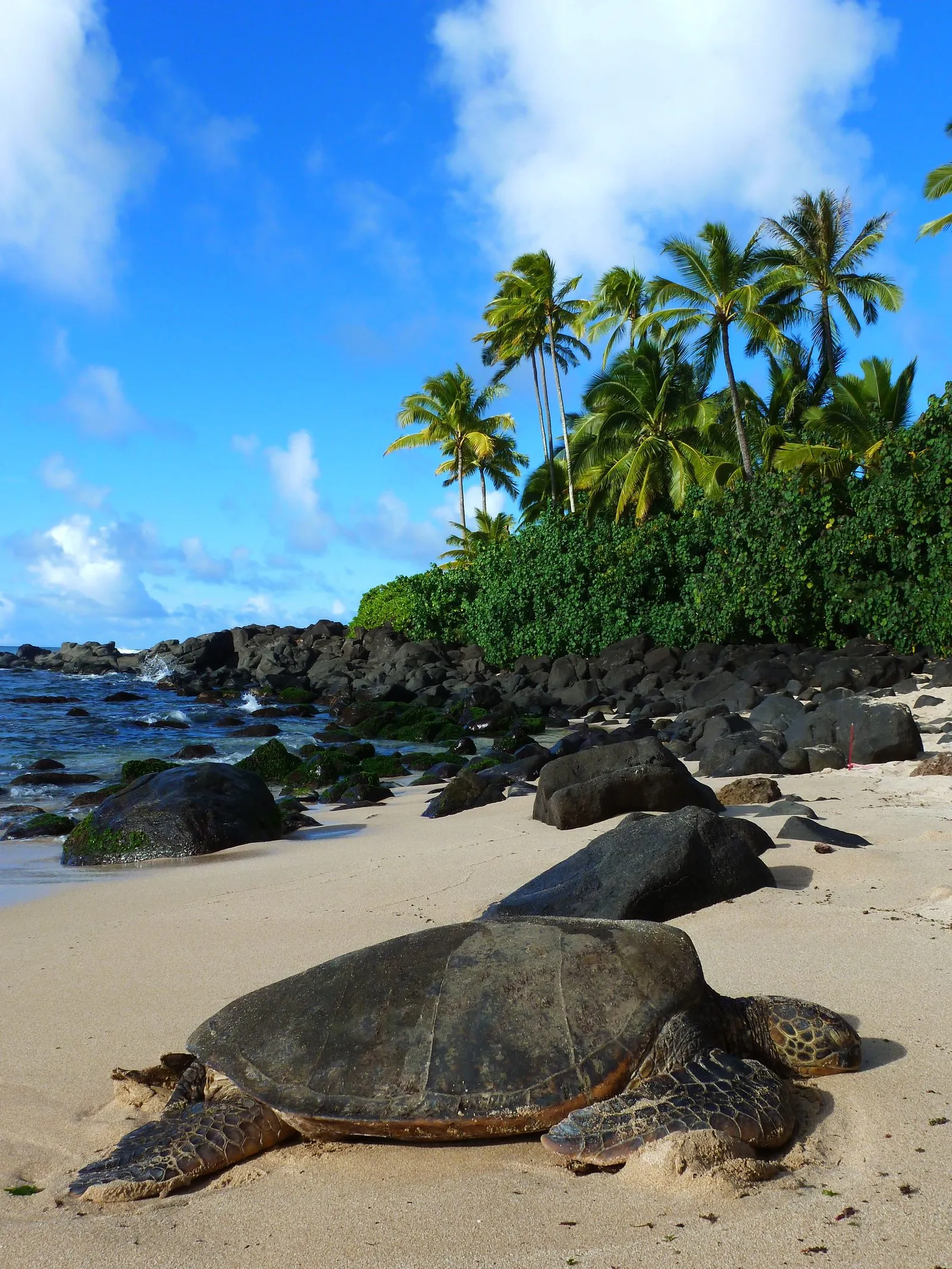
Basking · CC BY 2.0 · source

Bounty Wreck

Beginner-friendly

Depth8–16 m

Deliberately sunk pontoon now forming an artificial reef teeming with turtles. Shallower and easier than Hairo, an excellent first wreck dive for new divers.

  • turtles
  • artificial reef
  • coral growth
  • reef fish

Plan your trip

Getting there

Fast boat from Bali (Padang Bai or Amed, ~2 hr) or from Lombok (Bangsal harbour, 15 min by public boat or 30 min by fast boat). The three islands. Gili Trawangan, Gili Air, Gili Meno Have their own docks. No cars or motorbikes on any island, horse carts and bicycles only.

Minimum stay
2 nights
Book ahead
1–3 weeks ahead; Jul–Aug fills fast on Gili T

Certification & medical

Open Water minimum. The Gili Islands are one of Indonesia's most popular learn-to-dive destinations. PADI Open Water courses are widely available and competitively priced. No special certification needed for any standard site. Nearest hyperbaric chamber is in Bali (Sanglah Hospital) or Mataram (Lombok), both require a boat transfer.

Infrastructure

Gili T has ATMs, pharmacies, mini-marts, and a good range of restaurants and accommodation. Gili Air is smaller but well-equipped. Gili Meno is basic, no ATM, very limited food, one small clinic. Power cuts are rare on Gili T; more common on Air and Meno. No ambulances Horse carts double as emergency transport. Bring enough cash from the mainland.

Connectivity

Telkomsel 4G works on all three islands. WiFi is widely available at guesthouses, cafes, and dive shops on Gili T and Air. Gili Meno is more limited, some guesthouses have WiFi, most don't. A good place to disconnect if that's what you're after.

Health & safety

Relatively low-risk diving, no strong thermoclines, manageable currents, warm water. The main risk is surface currents between the islands catching snorkellers out, stick close to the reef. Nearest recompression chambers are in Bali and Mataram (Lombok). Most dive shops carry oxygen. No serious medical facilities on any island; evacuation to Lombok takes 45 min.

Peak season

Jul–Aug: Gili T is packed, expect queues at dive shops, busy sites, and higher accommodation prices. Book 3–4 weeks ahead. Shoulder months (May–Jun, Sep–Oct) are the sweet spot, good diving, manageable crowds. Jan–Mar is quiet and cheap but seas can be rougher on Bali crossings.

Conditions and operator availability change. Always verify locally before booking.

Common questions about Gili Islands

Is Gili Islands suitable for beginner divers?

Gili Islands is rated "Beginner-friendly". Open Water minimum. The Gili Islands are one of Indonesia's most popular learn-to-dive destinations. PADI Open Water courses are widely available and competitively priced. No special certification needed for any standard site. Nearest hyperbaric chamber is in Bali (Sanglah Hospital) or Mataram (Lombok), both require a boat transfer.

When is the best time to dive Gili Islands?

The best months are May, Jun, Jul, Aug, Sep, Oct. Diveable year-round; best visibility and calmest seas May–Oct (dry season). Nov–Mar (wet season) brings some reduced visibility but diving continues, water is warm and flat enough for most sites.

What can you see diving in Gili Islands?

Divers come to Gili Islands for Green & hawksbill turtles, Reef sharks (whitetip & blacktip), WWII wreck, Coral gardens & macro, Reef fish diversity. Generally mild to moderate currents; some sites between the islands can run strong. Warm, clear water and well-established dive schools make this one of Indonesia's most accessible destinations for new and returning divers.

How much does diving in Gili Islands cost?

Guided dives and trips range from IDR 545,000 to IDR 6,900,000, based on operator prices verified 2026-06-24. Confirm current prices with the operator.